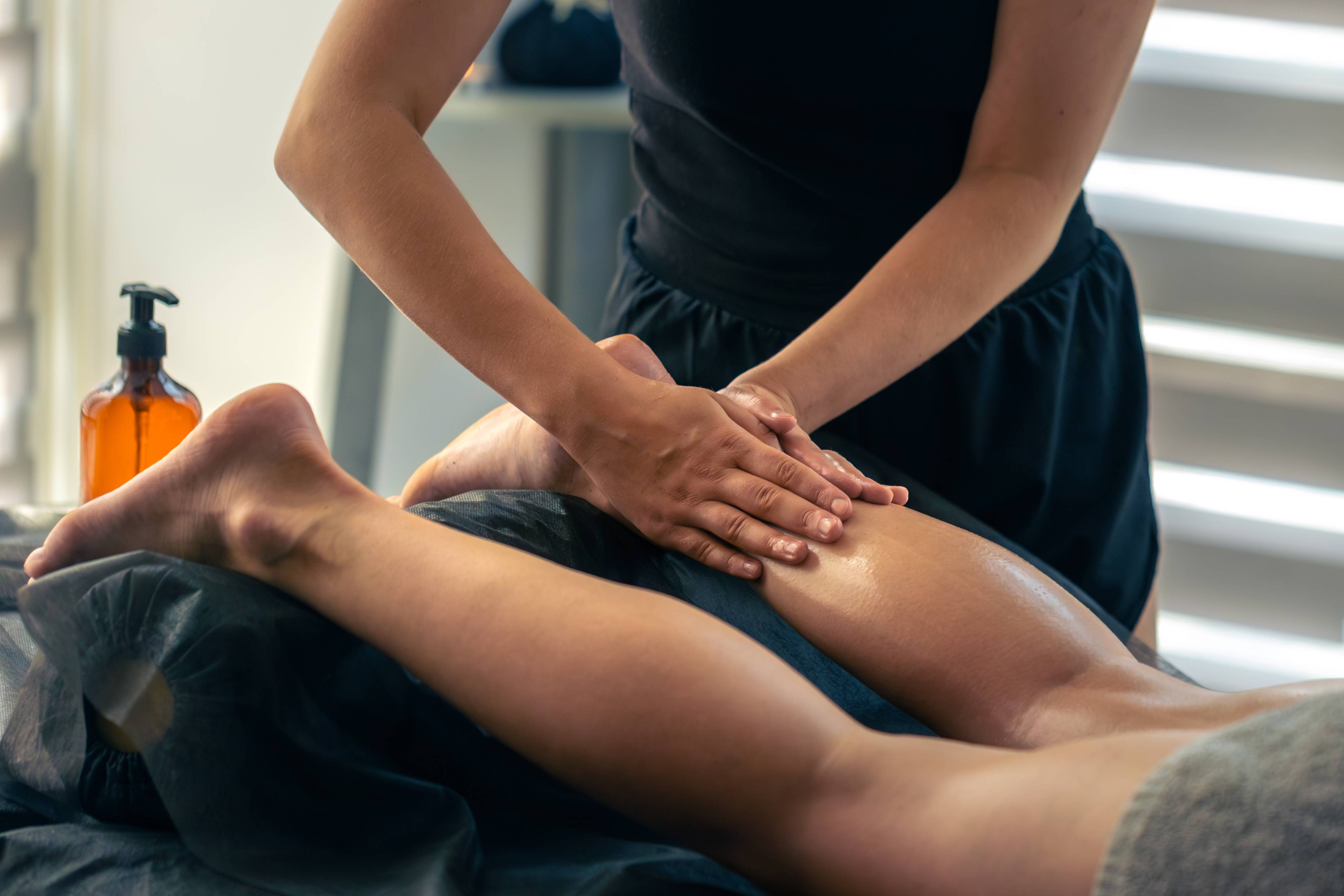
Many people associate massage with relaxation — something you might book after a long week or as an occasional treat. But sports massage therapy is different. It’s designed with a specific purpose: helping your body move better, recover faster, and reduce the strain that builds up through daily activity or exercise.
Whether you’re an athlete, a regular gym-goer, or someone dealing with ongoing muscle tightness, understanding what sports massage actually does can help you decide if it’s right for you.
The main difference lies in the intention and technique.
Relaxation massage focuses on general wellbeing and stress relief. Sports massage therapy, on the other hand, targets specific muscle groups and movement patterns that may be contributing to discomfort or reduced performance.
A trained therapist may use deeper pressure, stretching techniques, and targeted muscle work to:
The goal isn’t simply to feel good in the moment — it’s to support how your body functions long term.
Despite the name, sports massage isn’t only for competitive athletes.
In fact, many people who benefit most are those with:
Modern lifestyles often place repeated stress on certain muscles. Over time, this can create tension that affects how you move — even if you’re not playing sport.
Muscles respond to stress and activity by tightening and adapting. While this is a normal process, excessive tension can limit movement and increase the risk of injury.
Sports massage therapy aims to:
Some people notice immediate relief, while others experience gradual improvement over several sessions as movement patterns begin to change.
There’s a common belief that you should wait until pain becomes severe before seeking treatment. In reality, early intervention often leads to better outcomes.
You might consider sports massage if you:
Regular maintenance sessions can also help people who train frequently or have physically demanding routines.
Your first appointment usually involves a brief discussion about your symptoms, activity level, and goals. This helps guide the treatment approach.
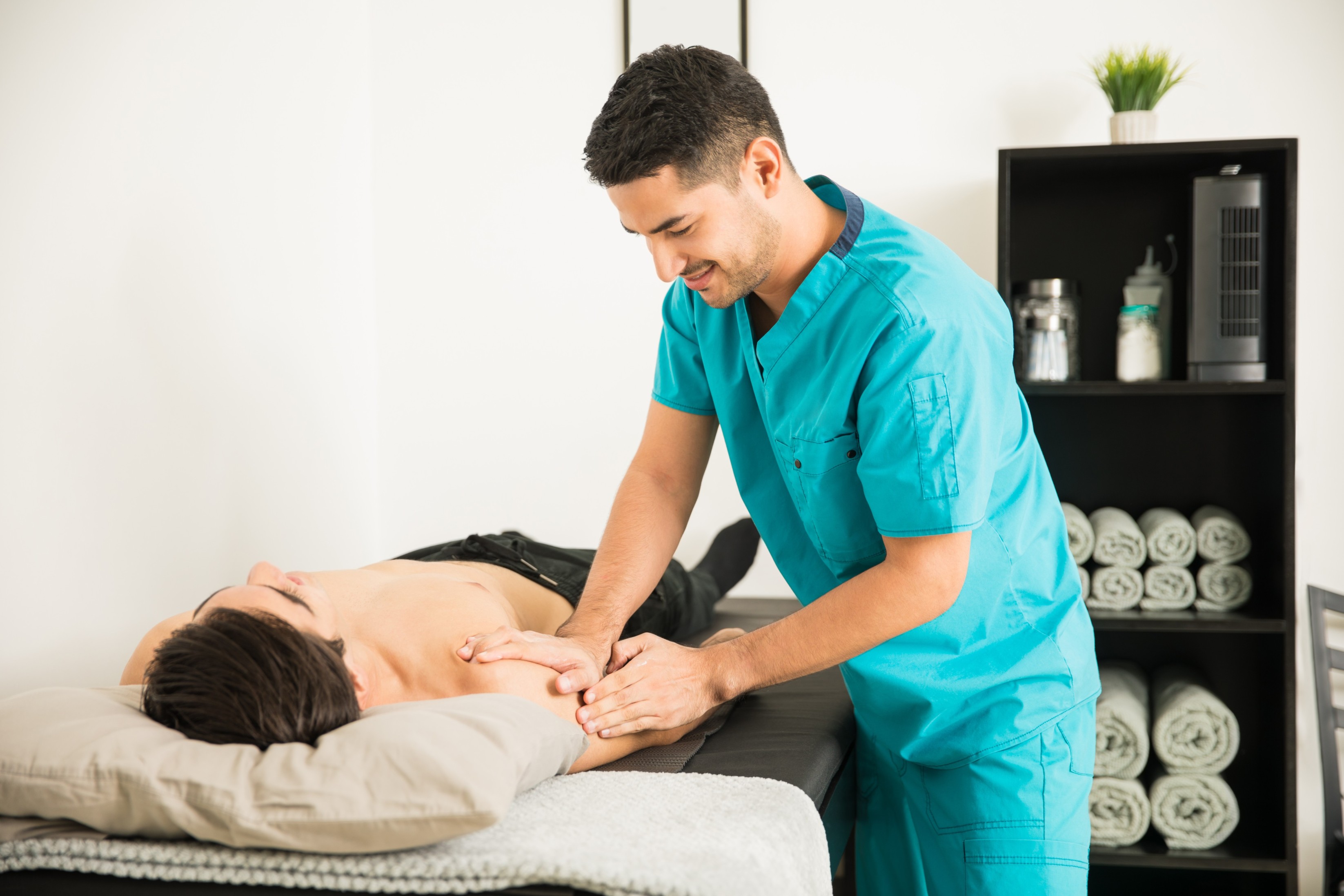
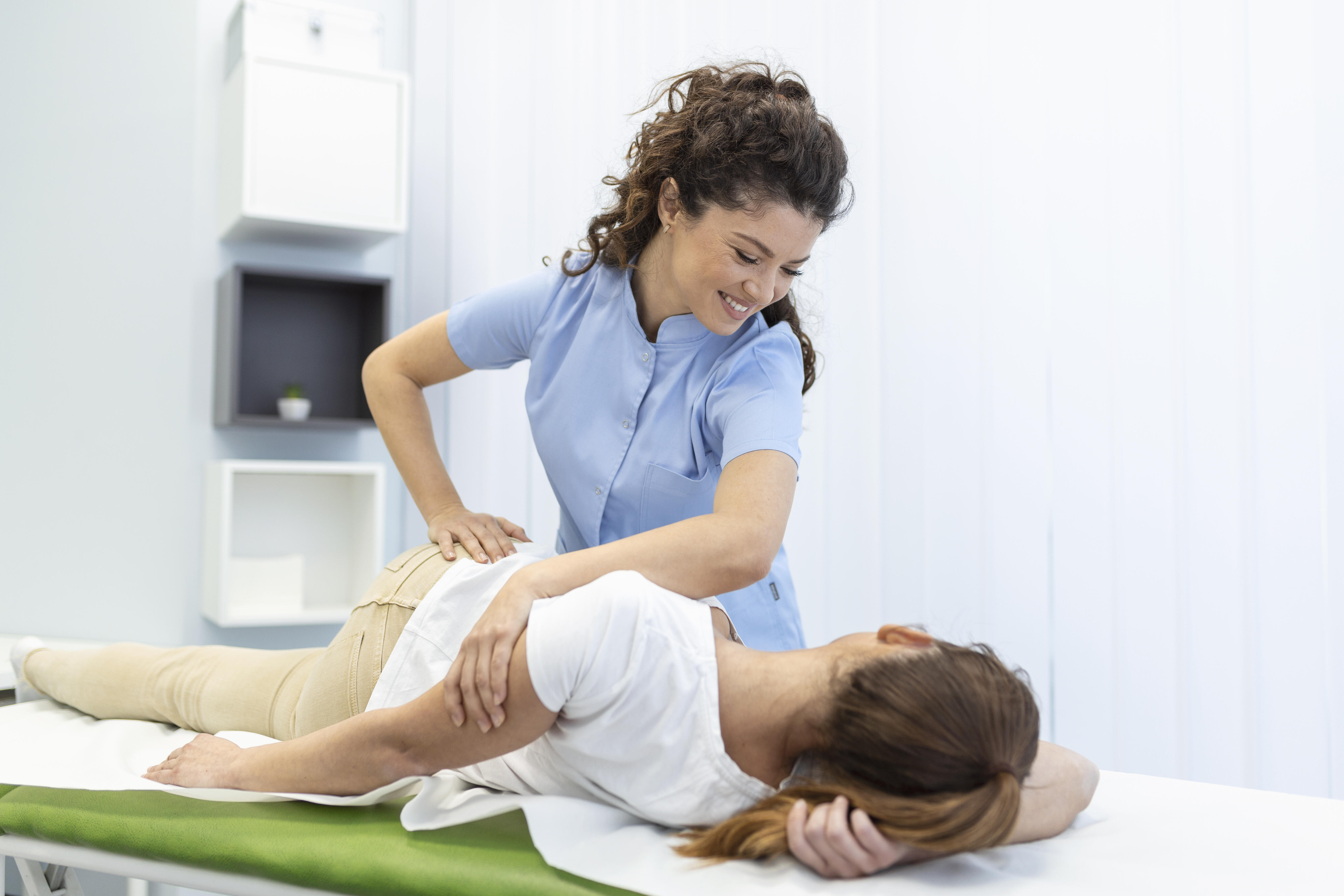
During the session, the therapist may:
It’s normal to feel some tenderness during deeper work, but treatment should remain within tolerable limits and feel productive rather than overwhelming.
At StepUp Physio, sports massage therapy is often integrated with physiotherapy rather than used in isolation.
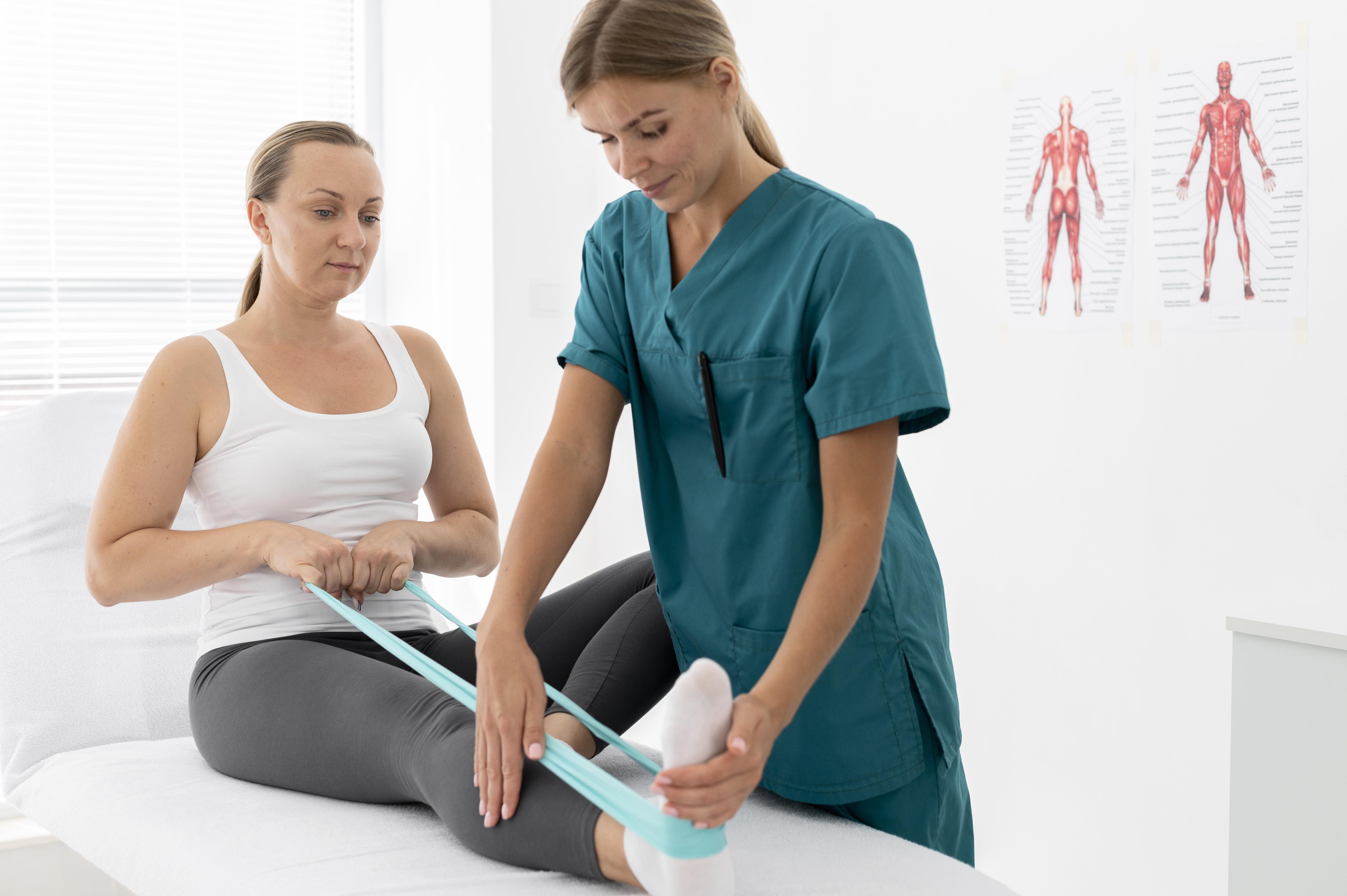
This means massage may be combined with:
This balanced approach helps ensure that treatment addresses both symptoms and underlying causes.
“It has to be painful to work.”
Effective treatment doesn’t require excessive pain. Good therapists adjust pressure to suit your tolerance and goals.
“One session will fix everything.”
While relief can be noticeable, long-term improvement usually involves consistent care and movement changes.
“It’s only for injury recovery.”
Sports massage can also be used proactively to maintain movement quality and reduce strain.
Sports massage is generally safe when performed by trained professionals. However, certain conditions may require modified treatment or medical guidance.
Always inform your therapist about:
If you’re experiencing muscle tightness, reduced mobility, or ongoing discomfort, sports massage therapy in papamoa may help support your recovery and improve how you move.
Book an appointment online:
Our Blog
 0212157213
 akshay@stepupphysio.co.nz
 Papamoa Beach