Heel pain often shows up in a very specific way, those first few steps in the morning can feel sharp and uncomfortable, almost like the heel needs time to "warm up." For some people, it eases slightly with movement but returns again after long periods of standing, walking, or being on their feet.
At StepUp Physio Papamoa, we commonly see this pattern in people dealing with plantar fasciitis, especially those who are active, spend long hours standing, or have recently increased their activity levels.
Plantar fasciitis occurs when the plantar fascia, a strong band of tissue running from the heel to the toes — becomes irritated due to repeated stress or overload. This typically leads to pain under the heel, particularly during the first steps in the morning or after periods of rest.
Heel pain is usually related to how much load the foot is handling and how well it is adapting to that load.
A rapid increase in walking, running, or standing time can place extra stress on the plantar fascia, especially if the body hasn’t adapted gradually.
Limited flexibility in the calf or Achilles tendon can increase tension through the heel and plantar fascia, contributing to ongoing irritation.
Flat feet, high arches, or reduced foot control can change how pressure is distributed through the foot, leading to increased strain on the heel.
Shoes with poor support or cushioning can place additional load on the heel, particularly during prolonged standing or walking.
Managing plantar fasciitis is not just about rest — it’s about improving how the foot and calf complex handle load over time.
At StepUp Physio Papamoa, treatment is guided by how your symptoms present. For example, if your pain is worse in the morning, we focus on reducing strain on the plantar fascia and improving flexibility in the calf muscles. If your symptoms increase with activity, we gradually reintroduce load so the tissue can tolerate walking and standing more comfortably.
Treatment may include:
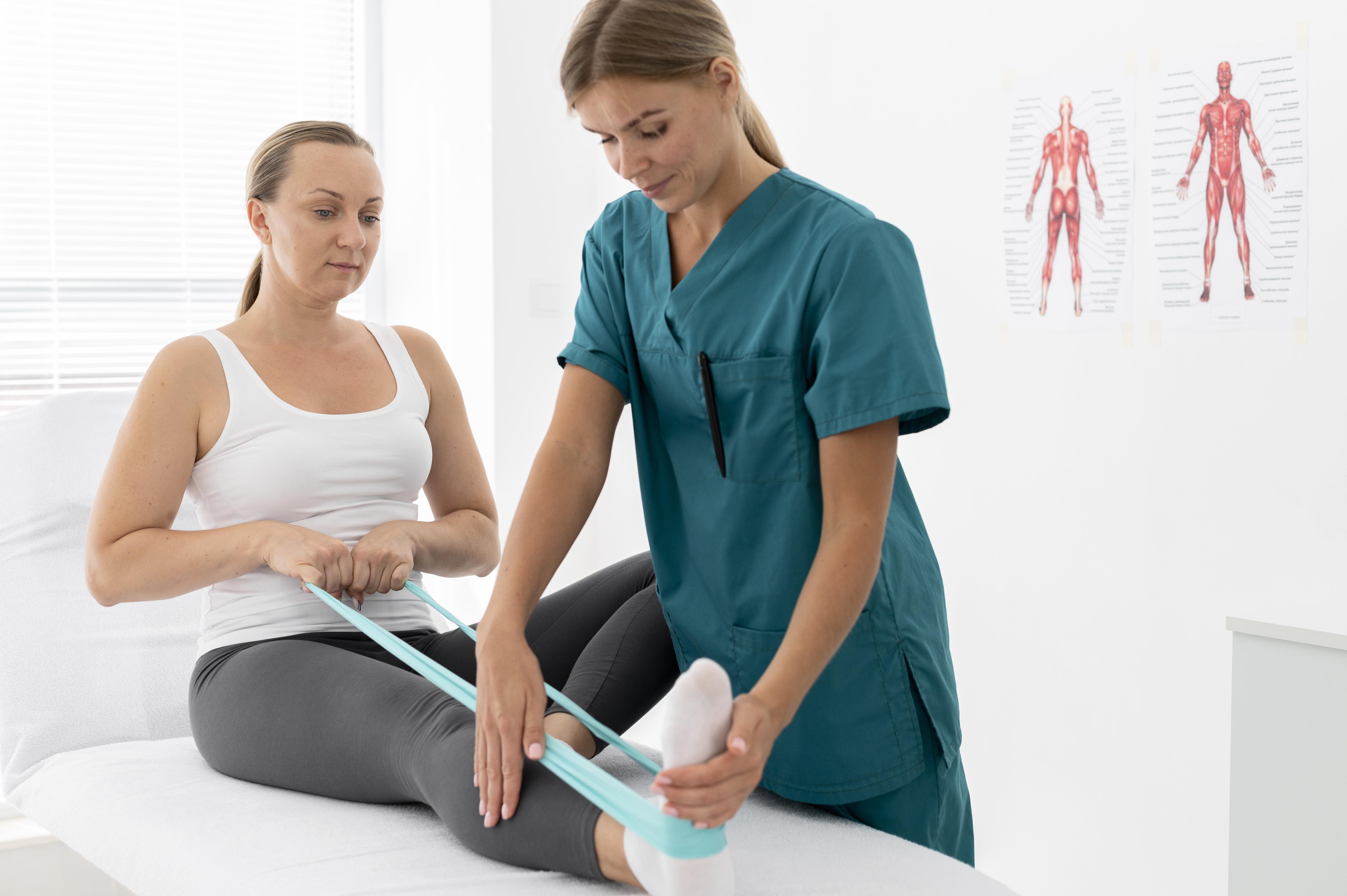
Specific stretches for the calf and plantar fascia help reduce tension and improve flexibility.
Strengthening exercises for the foot and lower leg help support the arch and improve load distribution.
We guide you on how to adjust your activity levels — not complete rest, but the right balance to allow healing.
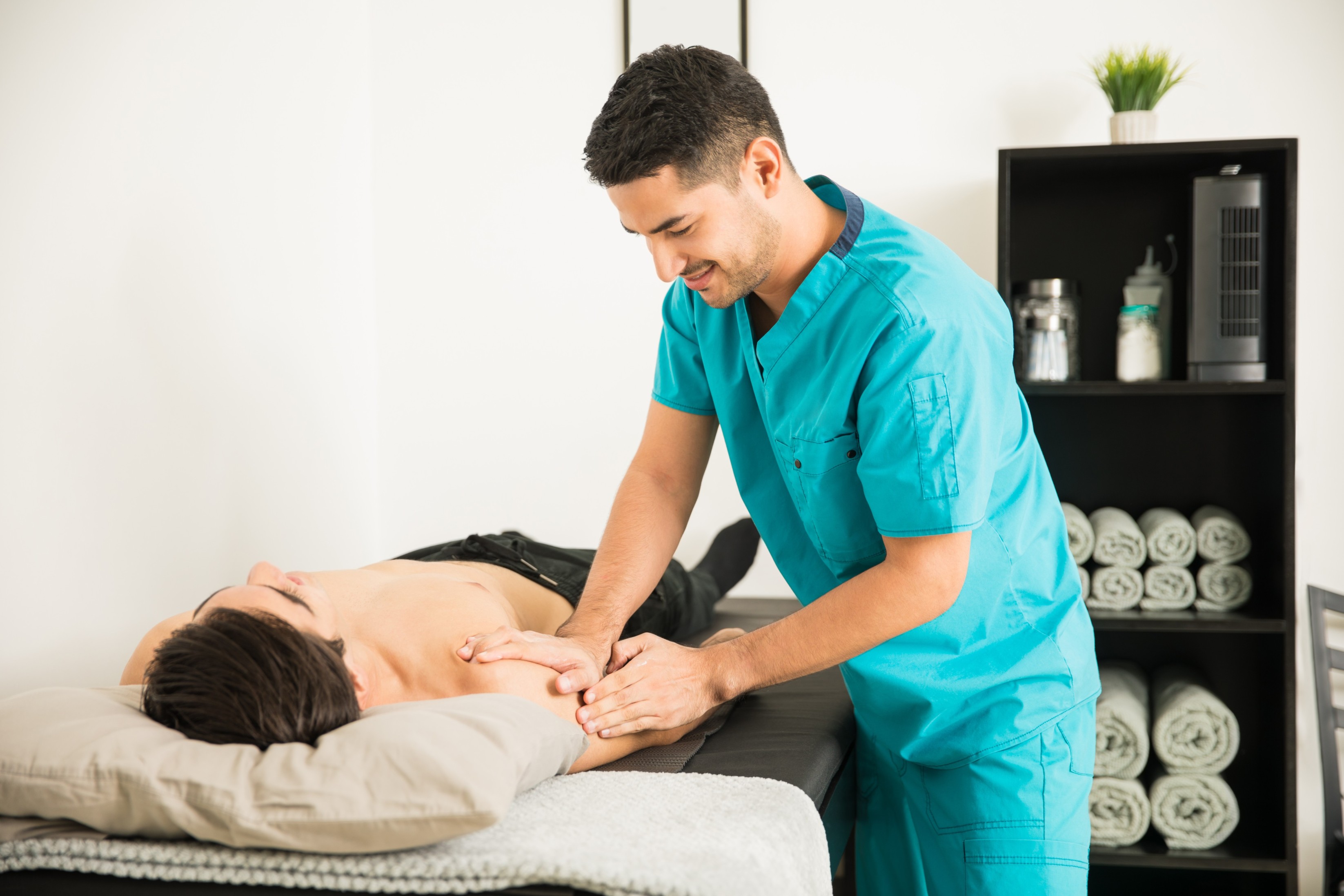
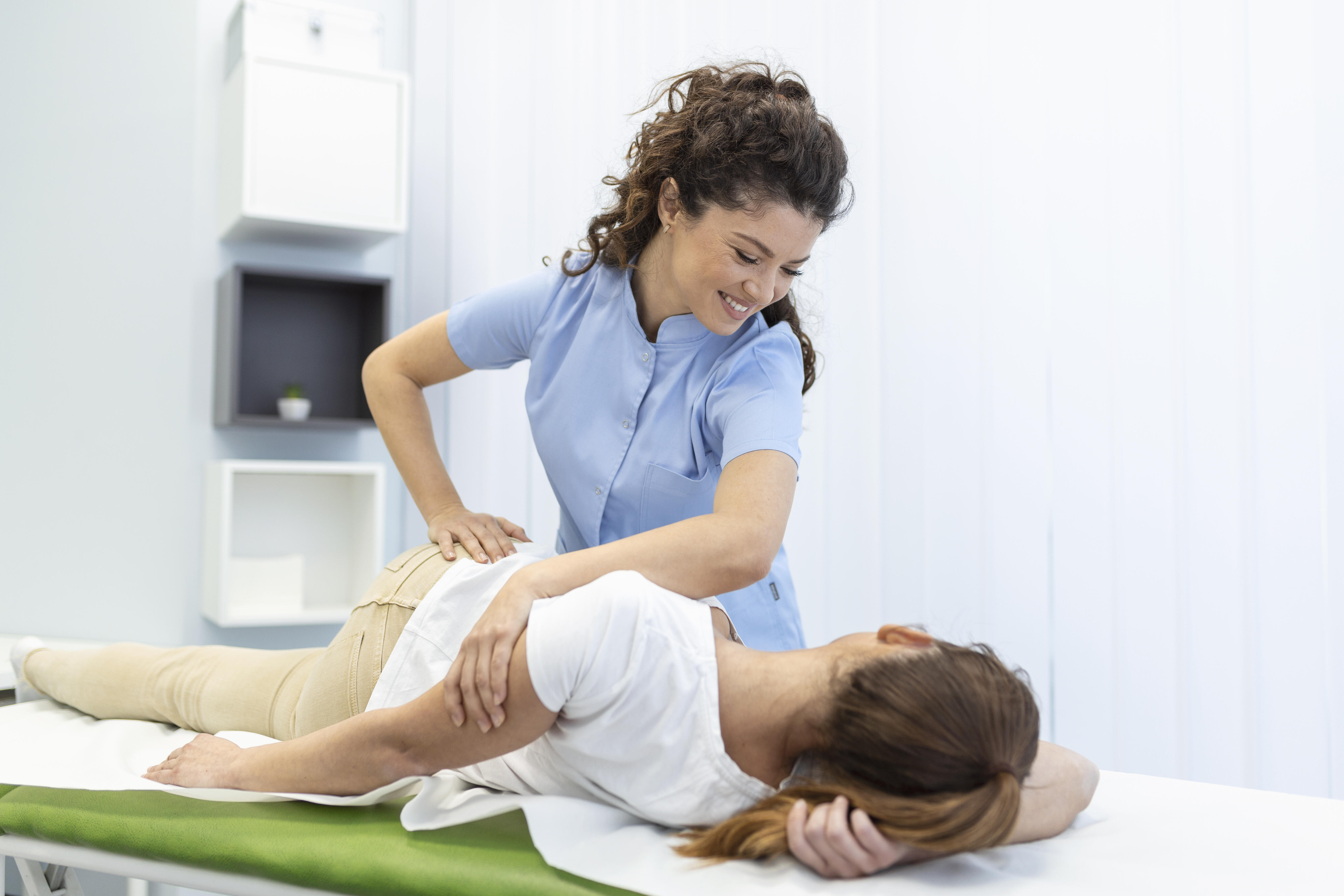
Hands-on techniques may be used to improve mobility and reduce discomfort in the foot and ankle.
Simple changes in footwear and daily habits can make a noticeable difference in reducing heel stress.
This approach, combining stretching, strengthening, and gradual loading, is supported by clinical guidelines for plantar fasciitis management (APTA; NICE).
If your heel pain:
…it’s a good idea to get it assessed early. Addressing the issue sooner can help prevent it from becoming a longer-term problem.
At StepUp Physio Papamoa, we focus on identifying why your heel pain started and guiding you through a structured treatment plan tailored to your activity level and lifestyle, helping you return to your normal routine with confidence.
Our Blog
 0212157213
 akshay@stepupphysio.co.nz
 Papamoa Beach