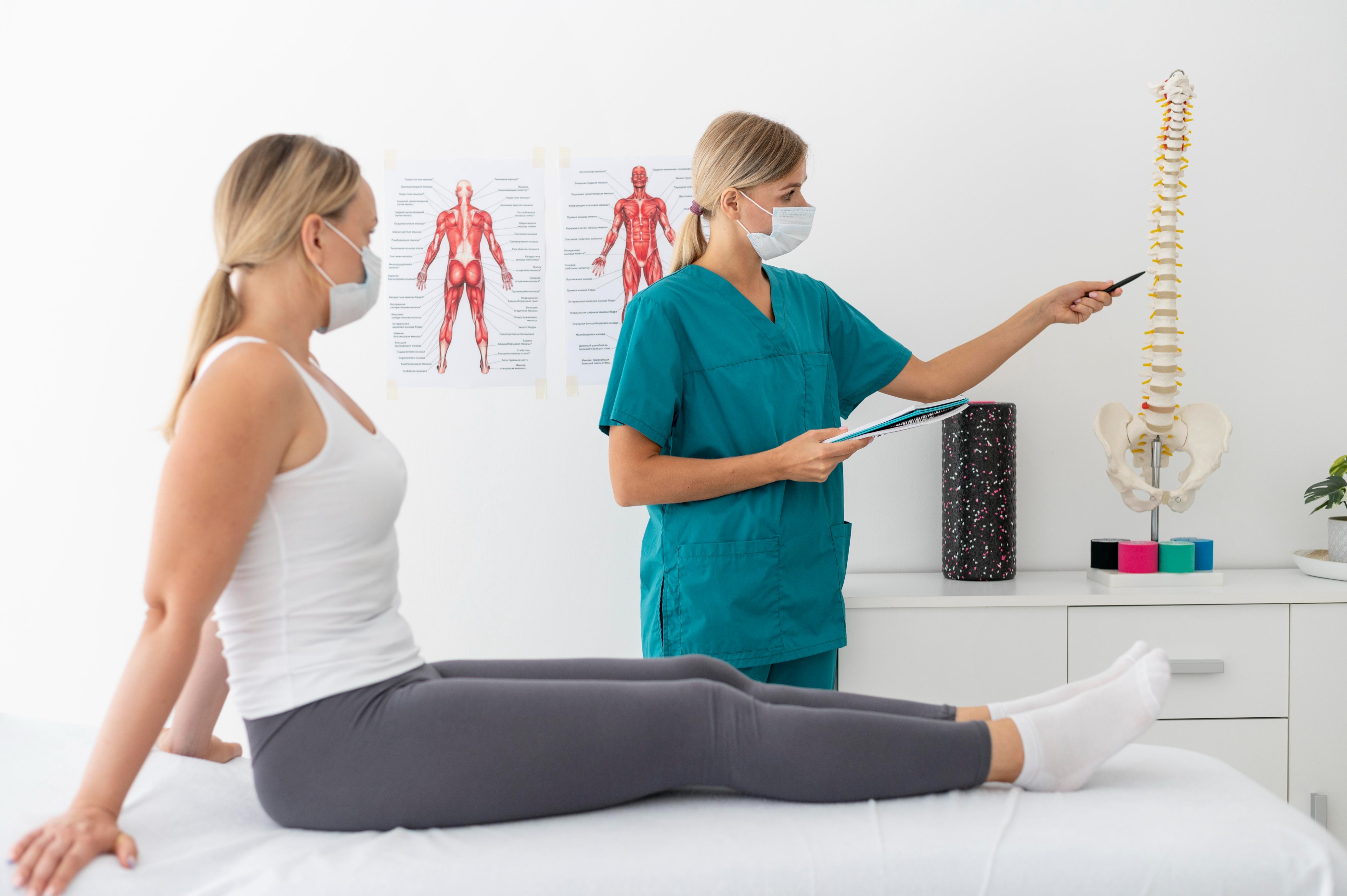
Frozen shoulder, medically known as adhesive capsulitis, is a condition that causes persistent shoulder pain, stiffness, and a gradual loss of movement. It often develops slowly and can begin with mild discomfort before progressing into significant restriction that affects everyday activities like reaching overhead, getting dressed, or even sleeping comfortably.
At StepUp Physio Papamoa, we regularly help people manage frozen shoulder through structured, stage-based physiotherapy treatment aimed at reducing pain and restoring movement safely.
Frozen shoulder occurs when the capsule surrounding the shoulder joint becomes inflamed, thickened, and tight, limiting the joint’s ability to move freely. Unlike a typical shoulder injury, it doesn’t usually happen from a single incident but develops over time.
Frozen shoulder is more commonly seen in individuals between 40–60 years of age and is often associated with certain risk factors. Clinical research has identified the following as common contributors (Neviaser; AAOS):
Frozen shoulder typically progresses through three distinct stages:
This stage is characterised by increasing pain, especially with movement. Shoulder mobility gradually starts to reduce.
Pain may settle slightly, but stiffness becomes more noticeable. Movements such as reaching behind your back or lifting your arm are significantly restricted.
Movement slowly improves over time, although full recovery can take several months.
Physiotherapy plays a key role in managing frozen shoulder by focusing on stage-specific treatment. In the early (painful) stage, the focus is on reducing pain and maintaining gentle movement, while in later stages, treatment gradually progresses to improving joint mobility and restoring function. This structured, progressive approach is supported by clinical guidelines for adhesive capsulitis management (AAOS; NHS).
At StepUp Physio Papamoa, treatment may include:
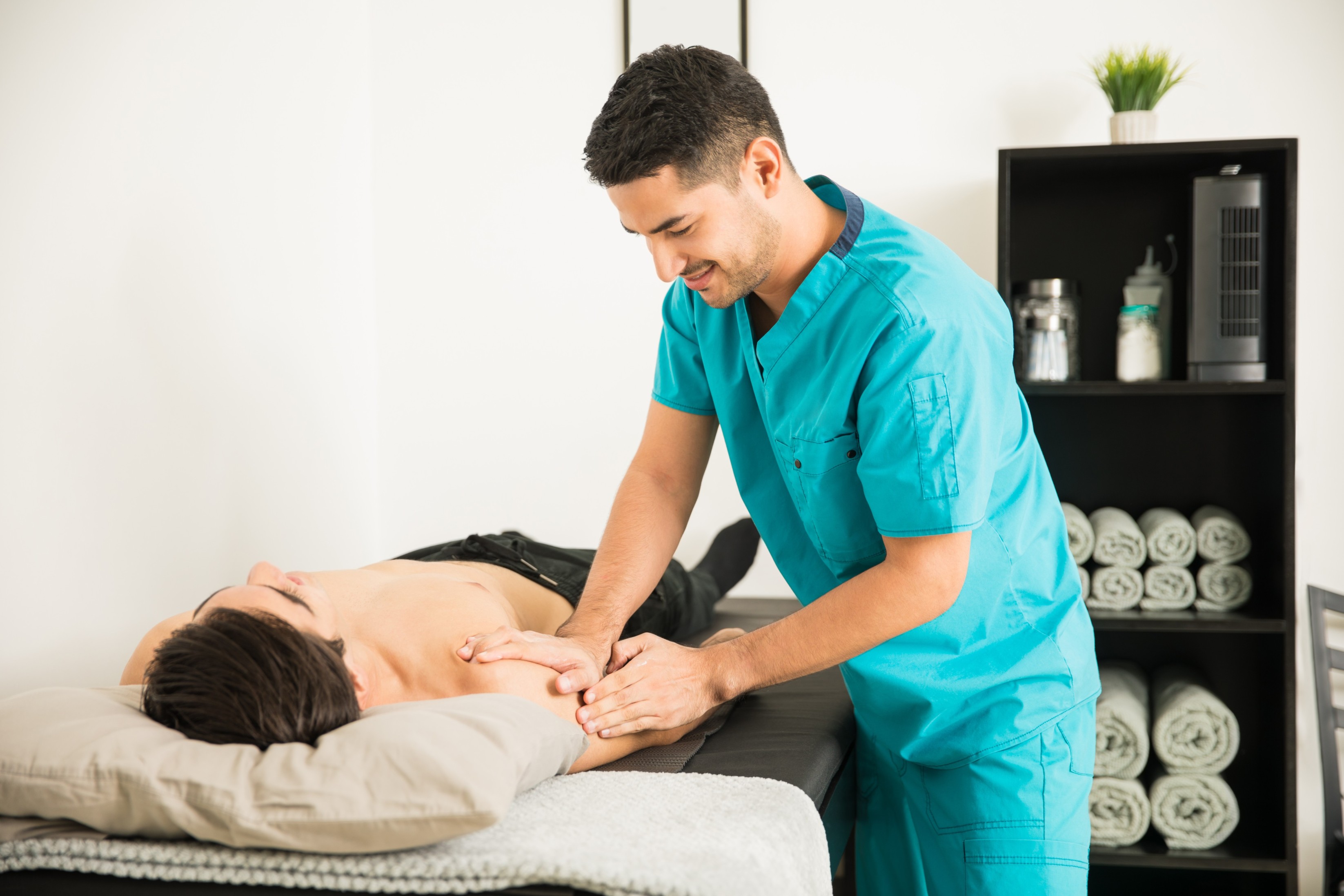
Gentle techniques such as joint mobilisation and soft tissue work help reduce irritation and improve comfort.
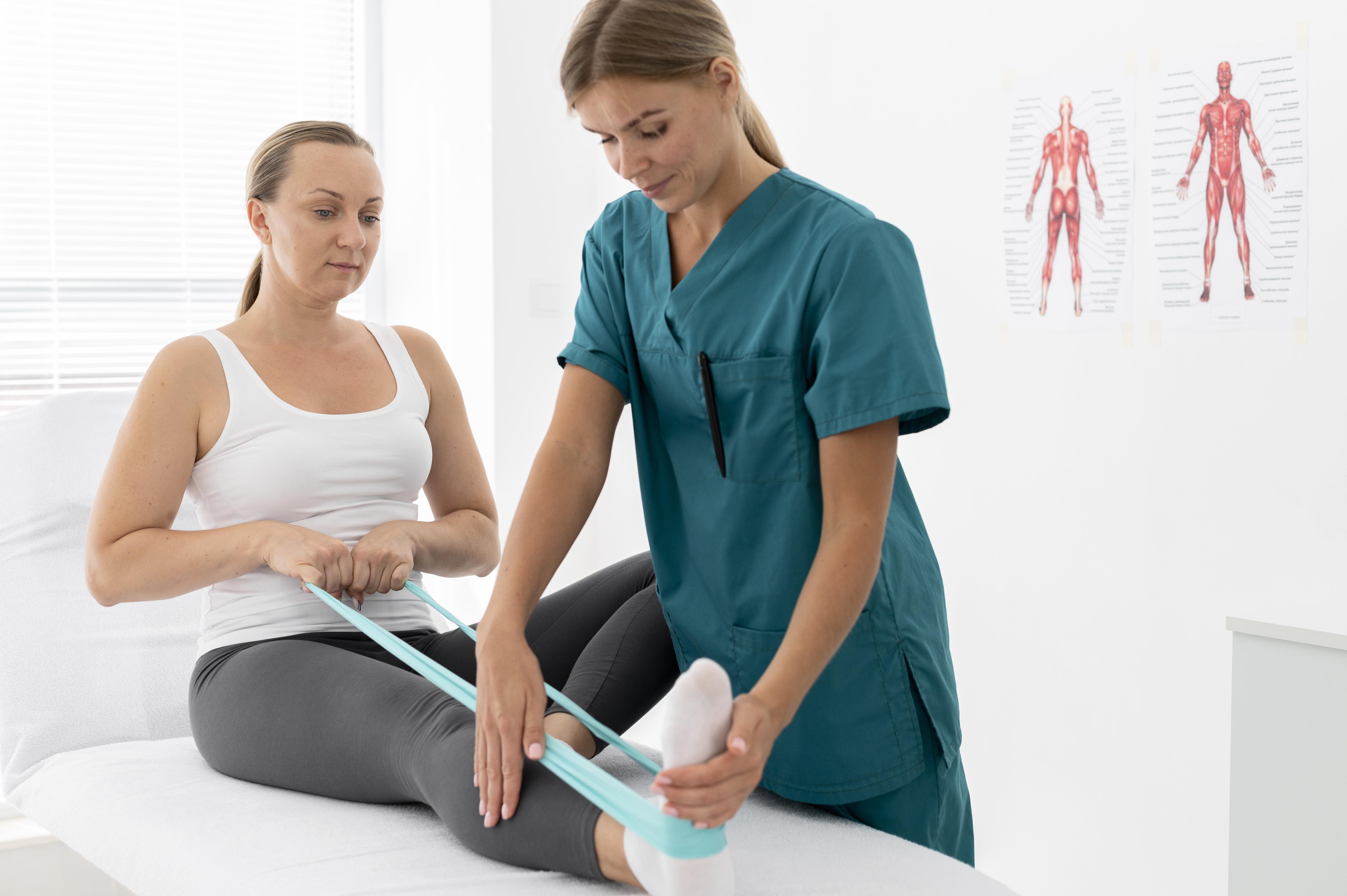
Specific, guided exercises are used to gradually restore shoulder movement without causing flare-ups.
Hands-on techniques help improve joint mobility and reduce capsular tightness.
As movement improves, strengthening exercises are introduced to support shoulder stability and function.
Patients are guided on what movements to avoid and how to stay active without worsening symptoms.
Frozen shoulder is a self-limiting condition, recovery timelines can vary depending on the stage and severity of the condition. In many cases, improvement is seen over 3 to 9 months, although some individuals may take longer, particularly in more advanced stages.
Physiotherapy helps:
Early intervention often leads to better outcomes.
If you notice:
…it’s a good idea to get assessed early. Delaying treatment can lead to further restriction.
At StepUp Physio Papamoa, we provide personalised treatment plans based on your condition and stage of recovery. Our goal is to help you regain movement, reduce pain, and return to normal activities as smoothly as possible.
Our Blog
 0212157213
 akshay@stepupphysio.co.nz
 Papamoa Beach