Hip pain can come on gradually or suddenly, and many people first notice it during simple activities like walking, getting up from a chair, or climbing stairs. In some cases, it may also affect sleep, especially when lying on the affected side.
Because the hip is a deep and complex joint, pain can come from different structures around it. Understanding the exact cause is key to effective treatment.
At StepUp Physio Papamoa, we focus on identifying the source of your hip pain and guiding you through the right treatment to improve movement and reduce discomfort.
Hip pain doesn’t always come from the joint itself — it can also be related to surrounding muscles or tendons.
Tightness or strain in muscles such as the hip flexors, glutes, or hamstrings can lead to discomfort and reduced flexibility. This is often seen after increased activity, prolonged sitting, or sudden movements.
Tendons around the hip can become irritated due to overuse or repetitive load. Conditions like gluteal tendinopathy often cause pain on the outside of the hip, particularly when walking, climbing stairs, or lying on one side.
This type of tendon-related pain is well recognised in clinical research on hip conditions (Grimaldi & Fearon).
In some cases, the hip joint itself may be the source of pain. This can include:
These conditions often present as a deeper, aching pain in the groin or hip, along with reduced movement.
Clinical guidelines also recognise osteoarthritis as a common cause of hip pain associated with stiffness and reduced mobility (NICE)
The key to treating hip pain effectively is understanding which structure is involved, whether it’s the joint, surrounding muscles, or tendons and how your movement patterns may be contributing to the problem.
At StepUp Physio Papamoa, treatment is tailored specifically to the type of hip pain you’re experiencing, rather than using a general approach.
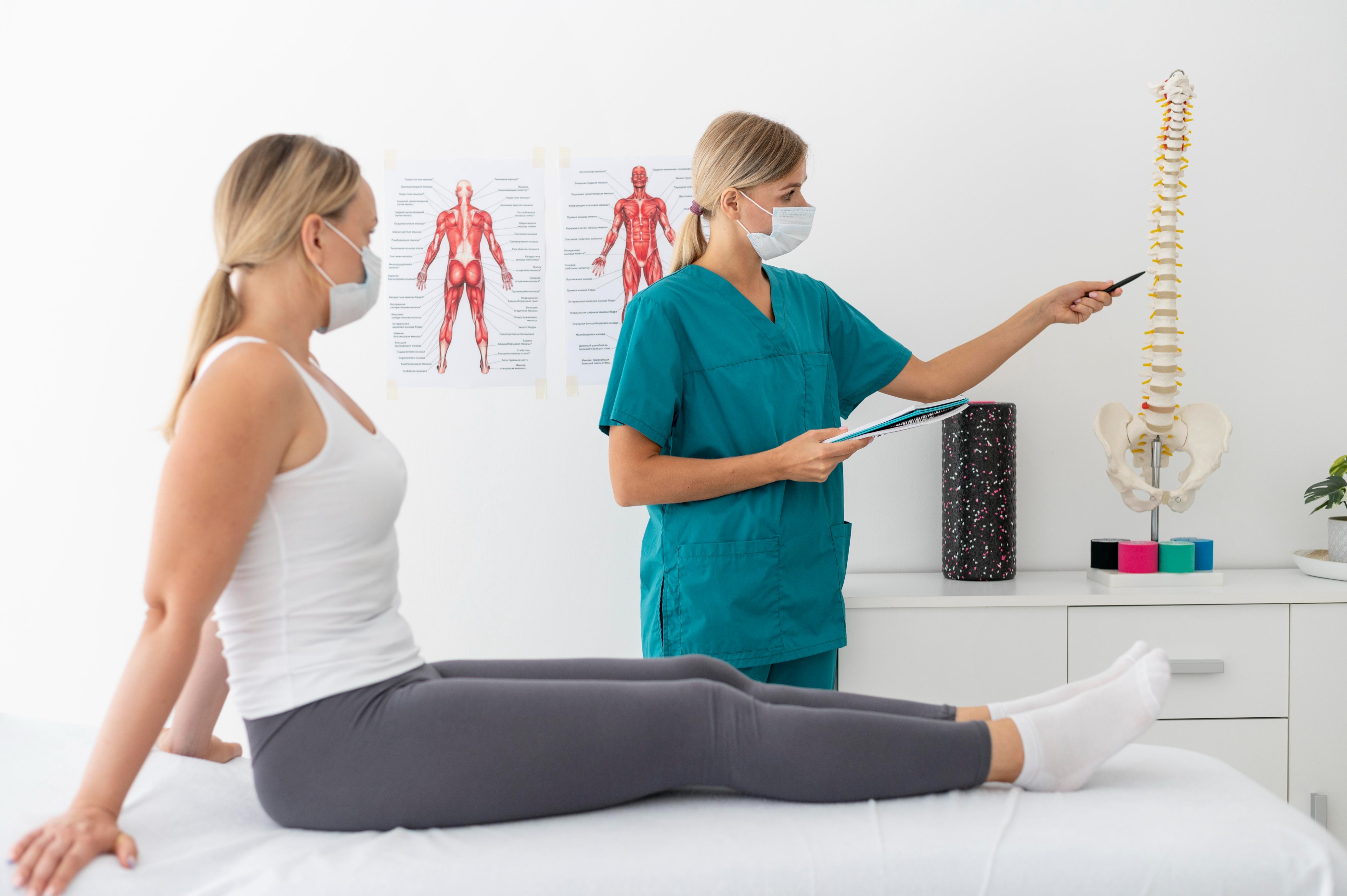
We assess how your hip moves during activities like walking, sitting, and single-leg balance. This helps identify whether your pain is coming from joint restriction, muscle weakness (such as glutes), or tendon irritation around the hip.
If your pain is related to joint stiffness or irritation, gentle joint mobilisation techniques may be used. For tendon-related pain (such as gluteal tendinopathy), we focus on reducing excessive load and avoiding positions that aggravate symptoms.
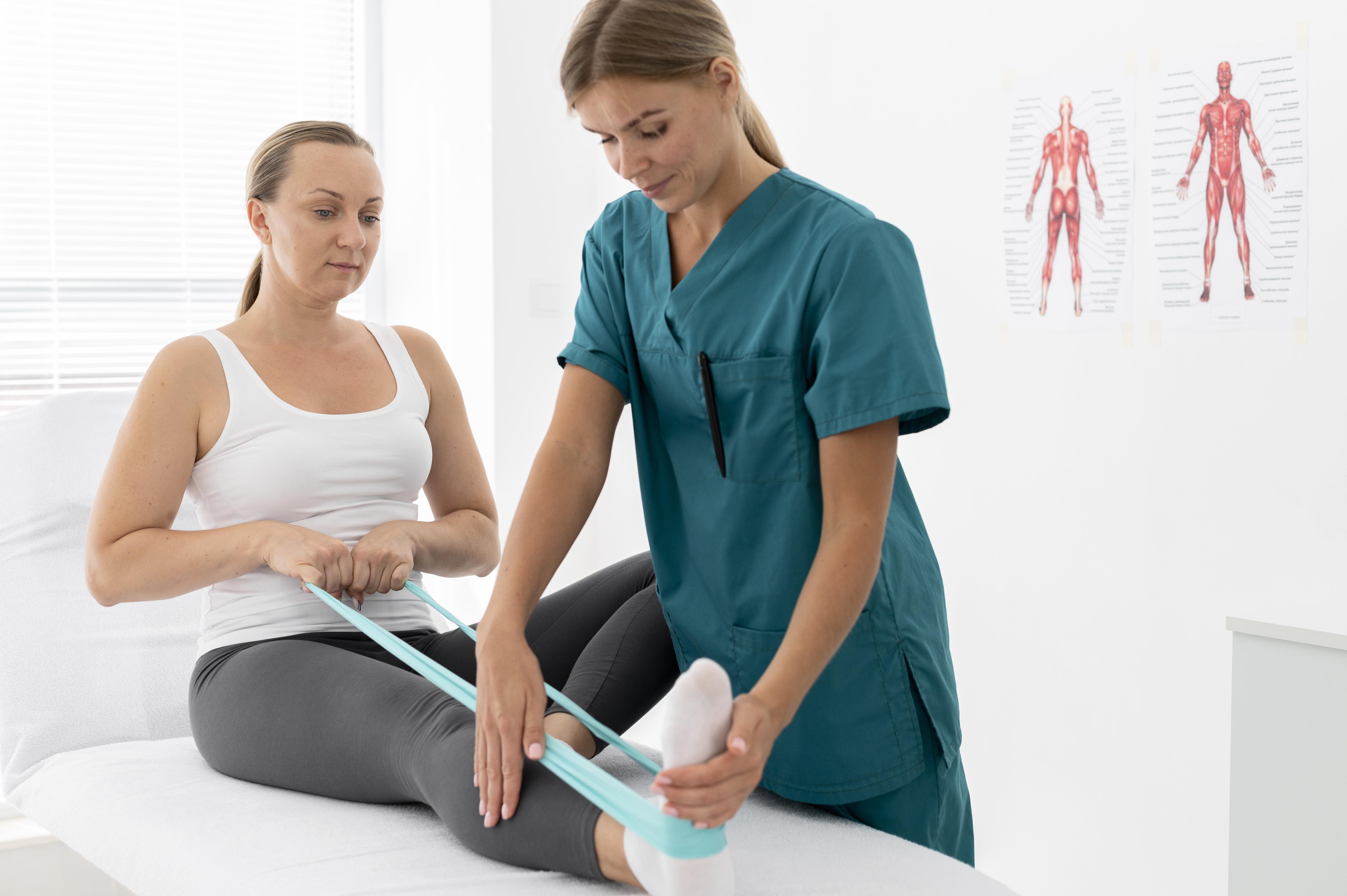
Exercises are selected based on your condition. For example:
Research supports exercise-based rehabilitation and gradual load management as key components in managing hip-related pain and tendinopathy (APTA; Grimaldi & Fearon).
You’ll be guided on small but important changes, such as avoiding crossing legs (in outer hip pain), modifying sitting positions, or adjusting activity levels to allow healing without complete rest.
If your hip pain isn’t settling within 2–3 weeks, is gradually getting worse, or is starting to limit your daily activities, it’s a good idea to get it assessed.
Recovery timelines can vary depending on the cause:
Getting the right treatment early can help speed up recovery and prevent the issue from becoming more persistent.
At StepUp Physio Papamoa, we provide personalised, practical treatment to help reduce hip pain, improve movement, and get you back to your normal routine with confidence.
Our Blog
 0212157213
 akshay@stepupphysio.co.nz
 Papamoa Beach