Most people don’t seek physiotherapy the first time they feel pain. They stretch, rest, or wait for symptoms to disappear and often they do, temporarily. But when discomfort returns repeatedly, it becomes clear that something deeper is happening.
Recurring pain is rarely random. It usually reflects underlying movement patterns, muscle imbalances, or unresolved injury factors. Personalised physiotherapy focuses on identifying these root causes rather than simply managing symptoms.
For individuals in Papamoa and Tauranga seeking long-term recovery, understanding this difference can change how you approach healing.
Pain may return when:
Physiotherapy aims to rebuild function, not just remove discomfort.
A detailed assessment helps physiotherapists understand:
Everybody responds differently to injury and recovery. Two people with similar symptoms can require completely different treatment strategies.
Personalised physiotherapy typically includes:
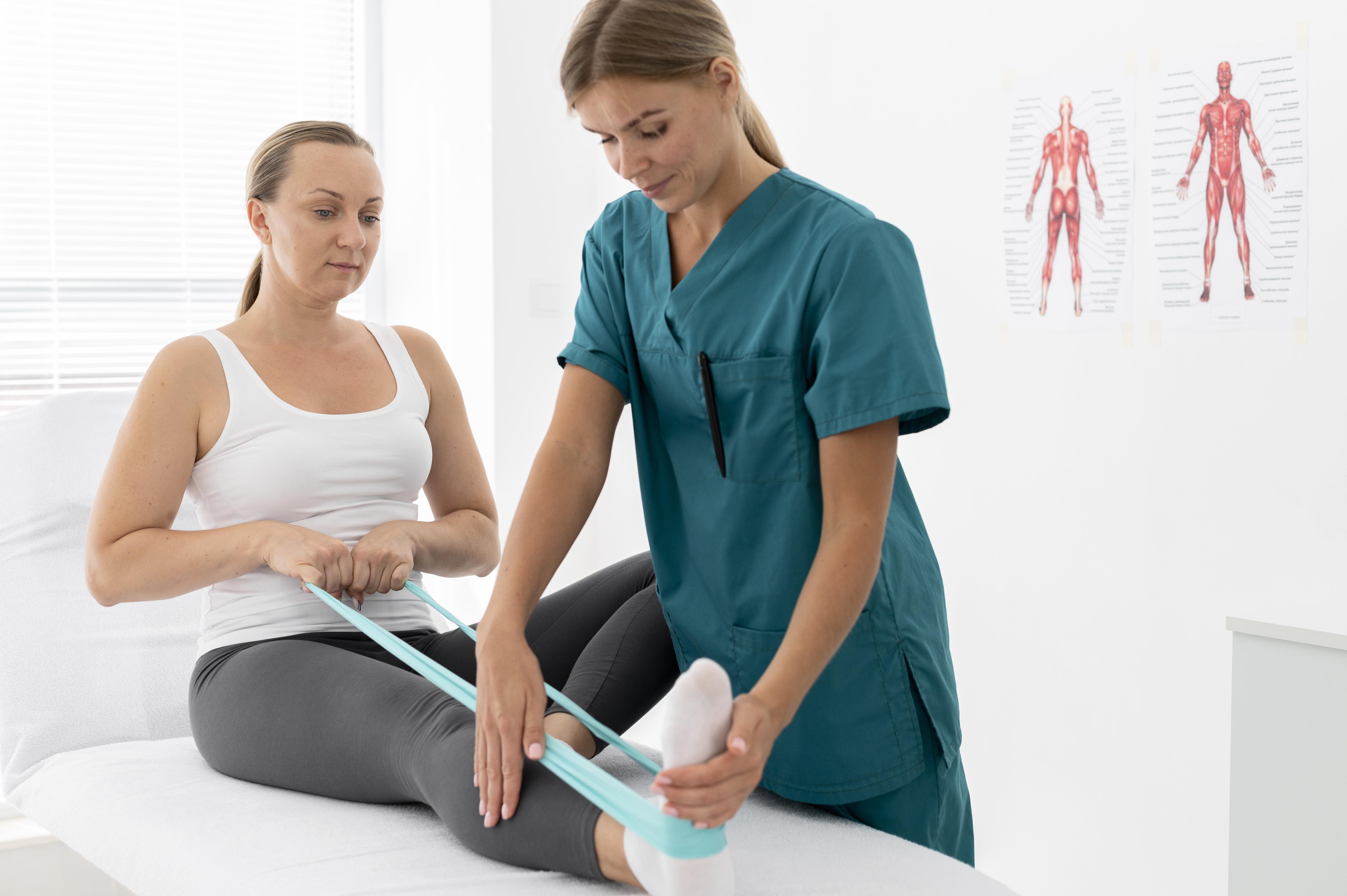
Instead of generic exercises, treatment adapts based on your progress and goals, whether returning to sport or reducing everyday discomfort.
Physiotherapy can assist with many musculoskeletal concerns:
Early intervention often reduces recovery time and prevents secondary injuries caused by compensation.
Manual Therapy : Hands-on treatment to improve joint mobility and reduce muscle tension.
Exercise Rehabilitation : Strengthening and stability work tailored to your condition.
Sports Massage Therapy : Supports muscle recovery and improves circulation.
Dry Needling : Used to reduce muscle tightness and target trigger points contributing to pain.
Understanding your condition empowers you to manage it.
Physiotherapists often help patients learn:
Long-term success depends on combining treatment with education.
Waiting until pain becomes severe can increase recovery time.
Early assessment helps:
Recurring pain is often a sign that something deeper needs attention. Personalised physiotherapy focuses on understanding your body, restoring movement, and helping you return to activities with confidence.
Instead of temporary fixes, long-term recovery is built through targeted assessment, guided rehabilitation, and ongoing support.
If you’re experiencing recurring muscle tightness or ongoing pain, a physiotherapy assessment can help determine whether dry needling is appropriate for you.
Book An Appointment Online: https://bookingsnz.gensolve.com/stepup
Our Blog
 0212157213
 akshay@stepupphysio.co.nz
 Papamoa Beach