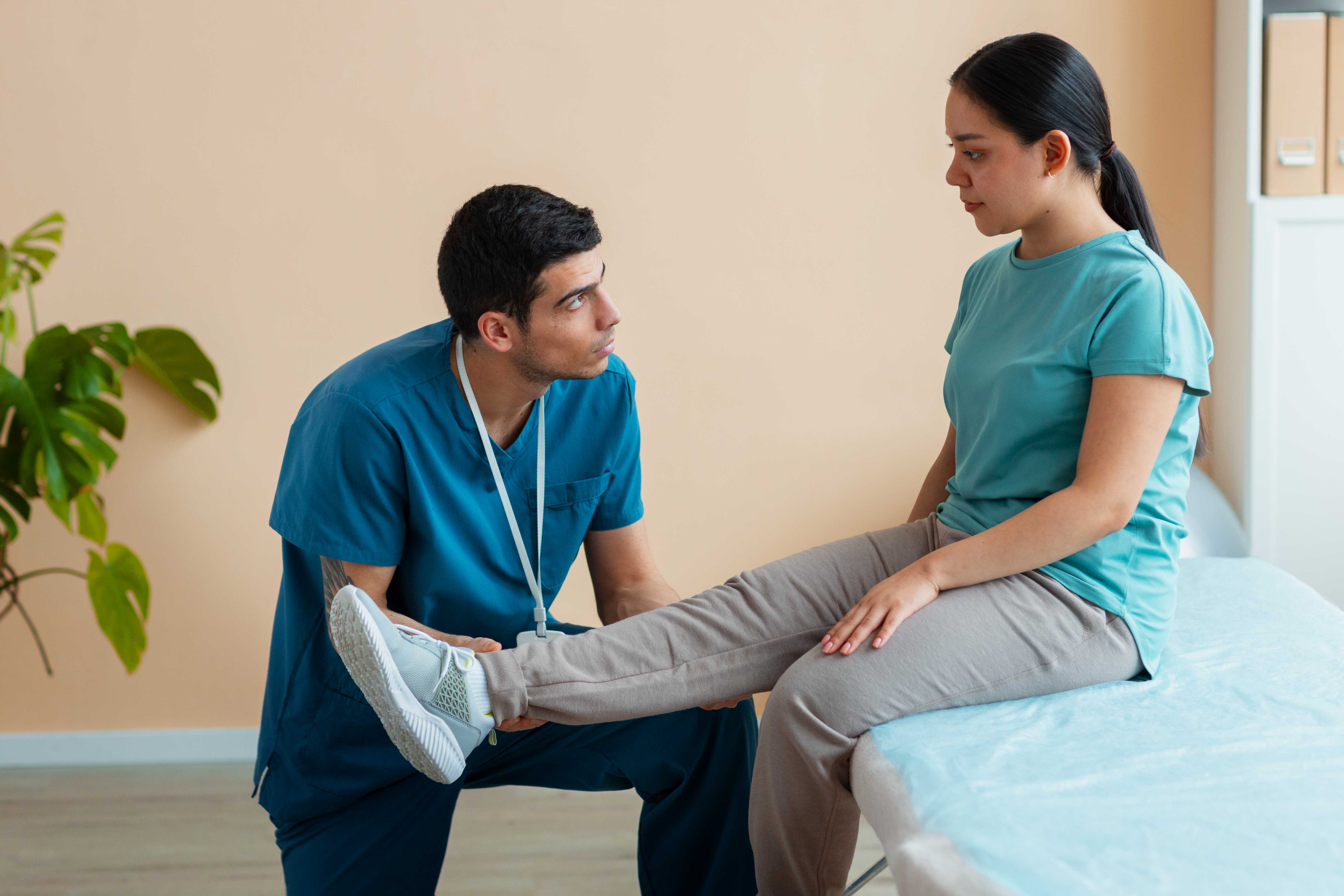
Blog Image

The 4 Stages of Post-Surgery Recovery – What to Expect After Your Operation

Undergoing surgery, whether anticipated or not, marks a critical turning point in your life. It can be overwhelming for many people. Although surgery itself is crucial for the recovery, the duration after surgery is also equally important. Often, patients feel emotional and physical challenges post-surgery. Knowing what to expect after surgery will put your mind at ease, avoid complications and speed up recovery. The better you understand what goes around during this phase, the more physically and mentally prepared you will be.

In this article, we have highlighted 4 major post-surgery recovery stages and what to expect in each.

Stage #1 The Body’s Response to Survival – Immediate Post-Surgery Stage (First 3 Days)

This is a critical recovery stage that starts right after your surgery. After the surgery ends, you will be transferred to the recovery room where the nursing staff will monitor your vital signs, such as blood pressure, heart rate and oxygen levels constantly. You may feel sick, tired and drowsy due to the lingering effects of anaesthesia. In this stage, the body solely focuses on survival and stabilization.

During this time, the nervous system triggers a stress response to protect vital organs in the body and manage pain caused by the operation. The body will also release hormones, such as adrenaline, noradrenaline and cortisol to control heart rate and blood pressure. The immune system will send the white blood cells, nutrients and healing proteins to the surgical site in order to fight infection and prepare for tissue healing. Swelling and inflammation are signs of normal healing.

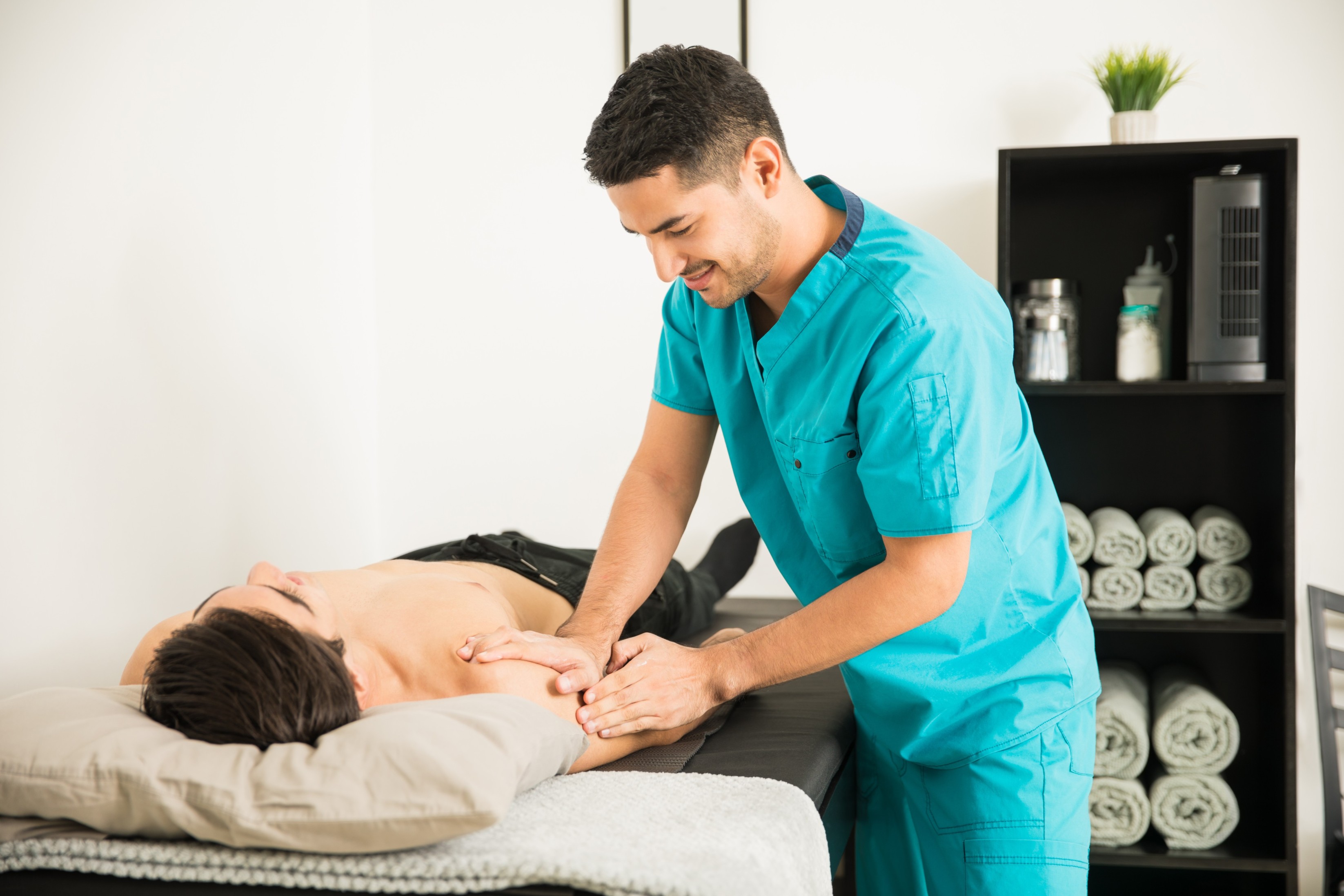
Guided surgery rehabilitation in Tauranga can support your body during this stage by improving blood flow throughout your body and controlling inflammation. It also lowers the risk of blood clots and lung congestion. Breathing exercises can support your respiratory system and help you avoid infections. Short walks, standing and sitting can help boost patients’ confidence.

What you can expect:

  • Increase heart rate and blood pressure
  • Disrupted sleep cycles
  • Pain around the surgical site
  • Decreased appetite
  • Swelling and inflammation

Stage #2 The Body’s Natural Cleaning and Defence Mechanism Development – Acute Inflammatory Phase (Day 3 to 7)

Once the body is stabilised, it enters into the second stage, known as cleaning and defence development. In this stage, the body focuses on proactive healing. Inflammation begins to grow and energy levels drop as the body diverts all the resources toward repair. During this time, the patient may experience increased swelling, pain, stiffness and redness around the surgical site.

During this phase, the immune system intensifies the cleaning process by sending macrophages, white blood cells and other immune cells to the operation site to remove blood clots, damaged tissues and possible pathogens. The body will also divert all the essential nutrients to fuel the immune cells and support tissue repair.

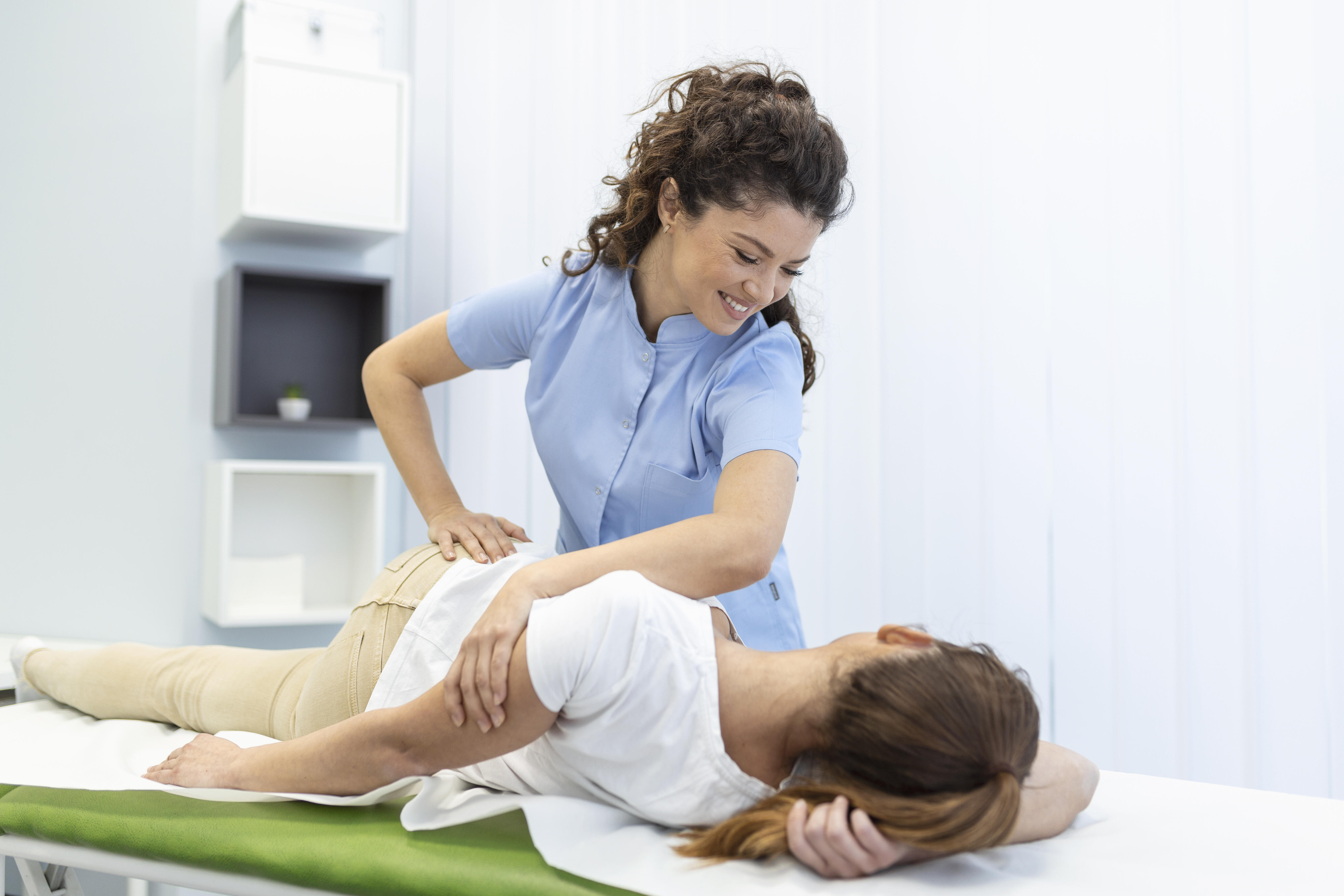
With post-operative physiotherapy in Papamoa, patients can control inflammation, sustain mobility and boost safe recovery. The physiotherapist may use strategic exercises to prevent muscle tightness and joint stiffness that may have been caused by continuous bed rest.

What you can expect:

  • Increased swelling and inflammation
  • Stiffness in joints and muscles
  • Pain in movement
  • Tiredness and fatigue
  • Gradual return to appetite

Stage #3 Tissue Repair and Regeneration (Week 1 to 4)

This is the stage when the body transitions from defence to rebuilding. Swelling and pain will gradually start to reduce. The surgical wounds will start to heal and you will feel more stable. You may feel a little sensitive around the wound, but movements will become easier and your body will slowly return to routine activities.

This active repair and rebuilding stage is the turning point in recovery. During the repair and rebuilding stage, new cells start forming in the place of damaged tissue. The blood supply to the surgical area increases and the collagen fibres develop to strengthen the healing site. This altogether increases the flow of oxygen and nutrients essential for faster healing.

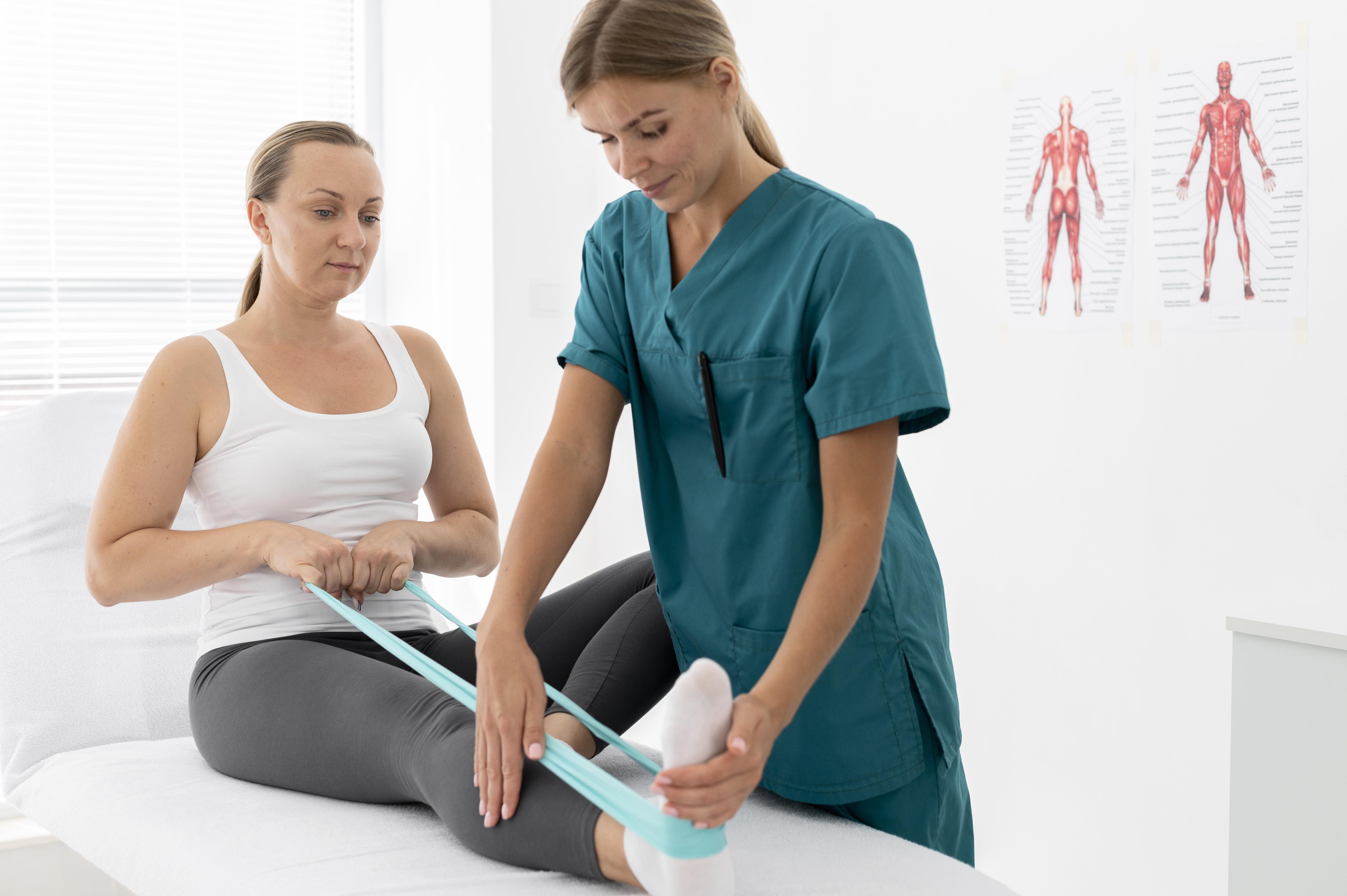
With guided exercises and movements, new collagen fibres can form and align properly, leading to better tissue flexibility and strength. The physiotherapists may advise ACL reconstruction physio to improve balance, motion and strength to support functional recovery.

What you can expect:

  • Reduction in swelling, inflammation and pain
  • Better mobility and functional movements
  • Increased energy levels

Stage #4 Tissue Growing and Strengthening (Week 4 to Several Months)

The tissue strengthening stage focuses on increasing the resilience, strength and healing in the surgical area. Pain will start to go away and you will gain confidence in your movements. Your muscles will regain endurance and strength, and joints will feel more relaxed.

In this phase, the newly developed tissue will continue to mature. Collagen fibres will strengthen over time to handle higher levels of physical stress. The nervous system will relearn regular movements that have been affected due to an injury. Your body will feel stronger, but you will need to be consistent with strategic movements to reach full capacity.

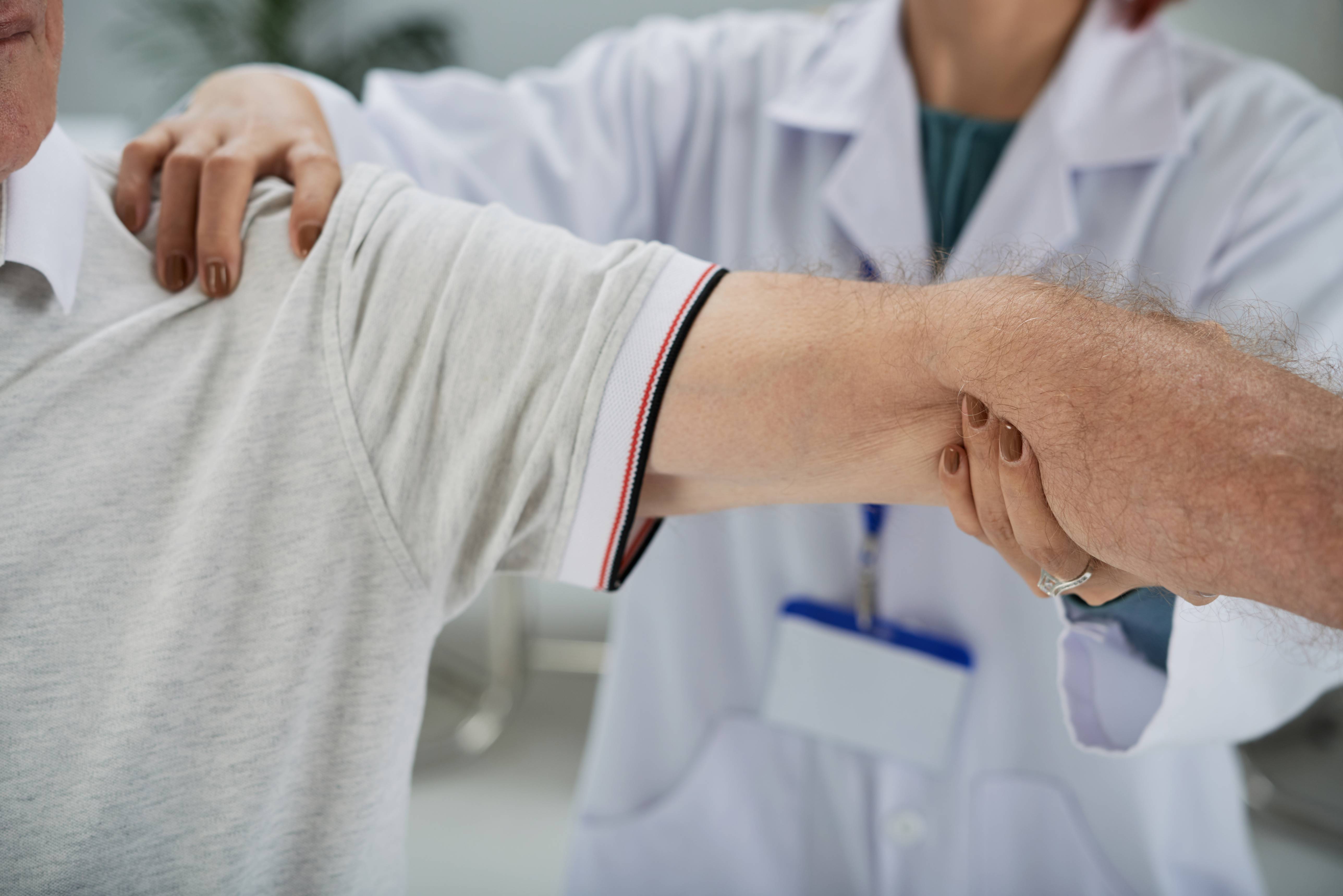
Undergoing physiotherapy sessions during this phase will help strengthen muscles, improve endurance and functional movement. It will aid your joints in moving efficiently and improve coordination to prevent future injuries. Your physiotherapist may also give you functional exercises that stimulate real-life tasks, making the transition to routine life smoother.

What you can expect:

  • Increased muscle strength
  • Improved balance and stability
  • Minimal pain
  • Better balance and coordination

Stages of Recovery

Stages of Recovery What Patients Need to Do
Immediate Post-Surgery Stage (First 3 Days)
  • Follow the doctor’s and nurse’s instructions strictly
  • Take medicines as prescribed
  • Take proper care of the wound and keep the operation site clean
  • Take adequate rest and stay hydrated
  • Practice deep breathing
  • Use support equipment while standing, sitting and walking
Acute Inflammatory Phase (Day 3 to 7)
  • Apply ice or other modalities as advised by the doctor
  • Perform only controlled movements as advised by the physiotherapist
  • Maintain proper posture
  • Perform gentle breathing exercises
  • Eat protein-rich and nutritious food
  • Drink plenty of water
Tissue Repair and Regeneration (Week 1 to 4)
  • Follow your physiotherapist’s instructions
  • Maintain correct movement patterns
  • Watch for signs of pain, swelling or stiffness
  • Stay well-hydrated and get enough sleep
Tissue Growing and Strengthening (Week 4 to Several Months)
  • Practice functional movements for daily activities
  • Continue regular physiotherapy sessions as advised
  • Take adequate rest
  • Avoid sudden overload or improper movements
  • Follow long-term injury prevention advice from a physiotherapist

Conclusion

Recovering from surgery does require a lot of care and patience. From the early stages of operation to pain management to regaining strength and function, a physiotherapist can ensure a smooth transition throughout all stages. StepUp Physio offers post-operative physiotherapy in Papamoa to ensure faster, safer and more sustainable recovery from the surgery. With strategic exercise sessions and controlled movements, physiotherapy sessions can help reduce pain and discomfort and help patients regain confidence in movement.