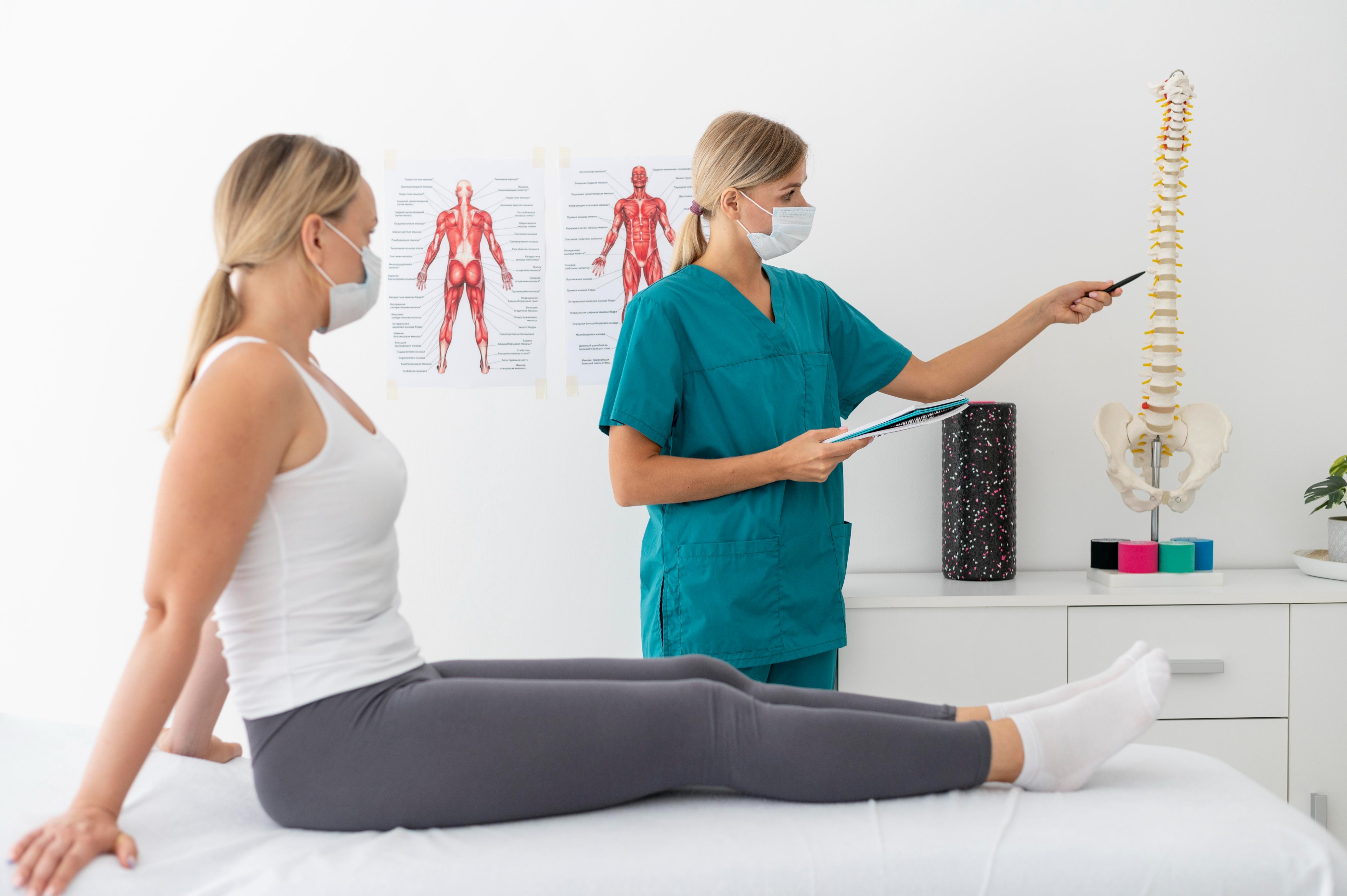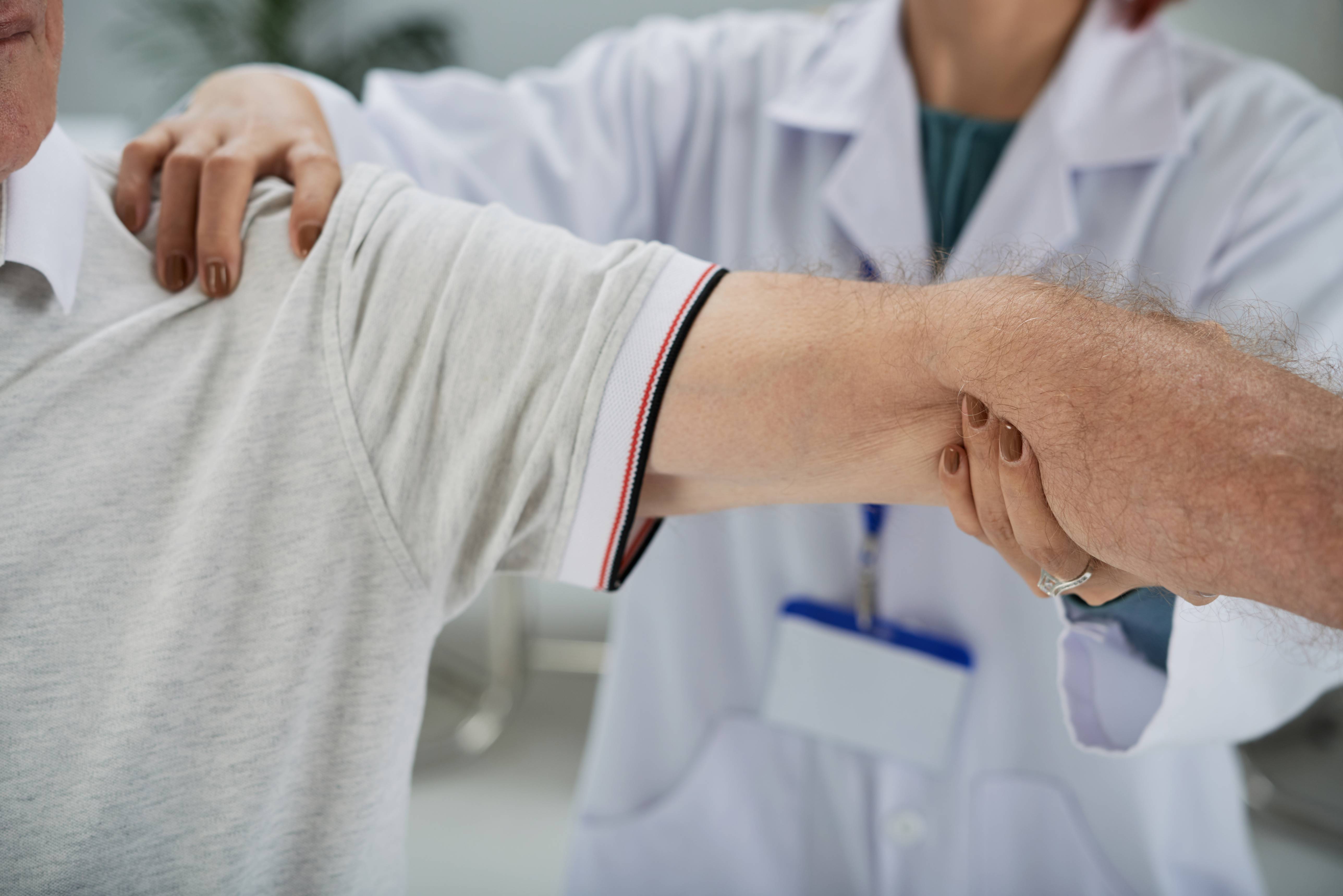
Recovering from an accident or injury requires more than just medicine and rest – it takes strategic movements to help the body recover safely and rapidly. The Physiotherapy healing process has become quite popular in recent years, allowing the body to restore strength and physical function when any part of the body has suffered an injury or disability.
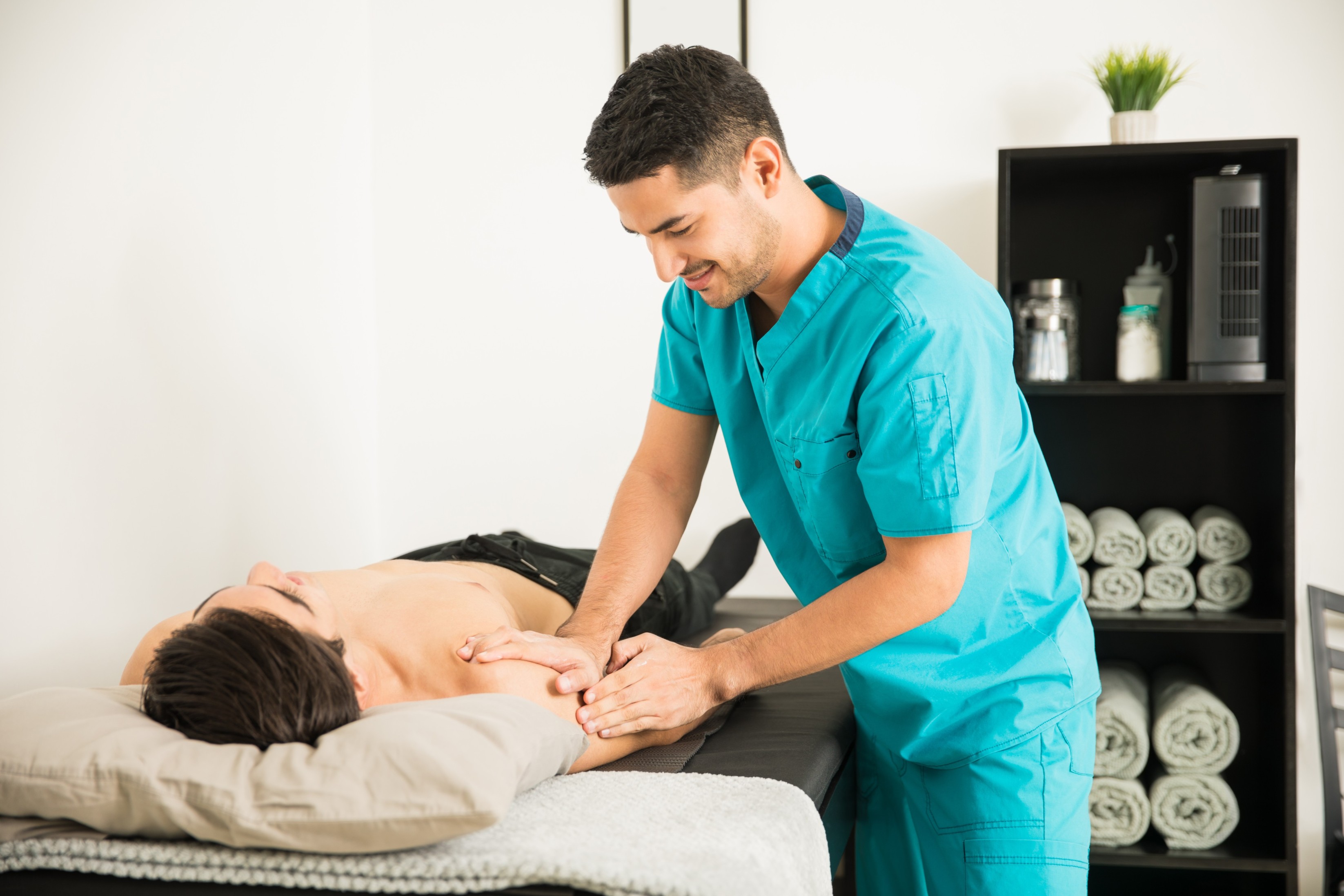
Physiotherapy is a science-based approach that involves various techniques, such as massage, exercise and routine bodily movements to reduce pain, improve mobility and support recovery without involving any kind of medication or surgery. With the holistic approach, physiotherapy can improve patients’ overall well-being by strengthening the body and reducing the pain caused by the injury.
Physiotherapy can be used to restore flexibility, strength and joint function for patients of all ages. With guided movements, physiotherapy can stimulate blood flow, reduce inflammation and support muscle repair at a cellular level. The choice of technique depends on the patient’s medical diagnosis, condition and need.
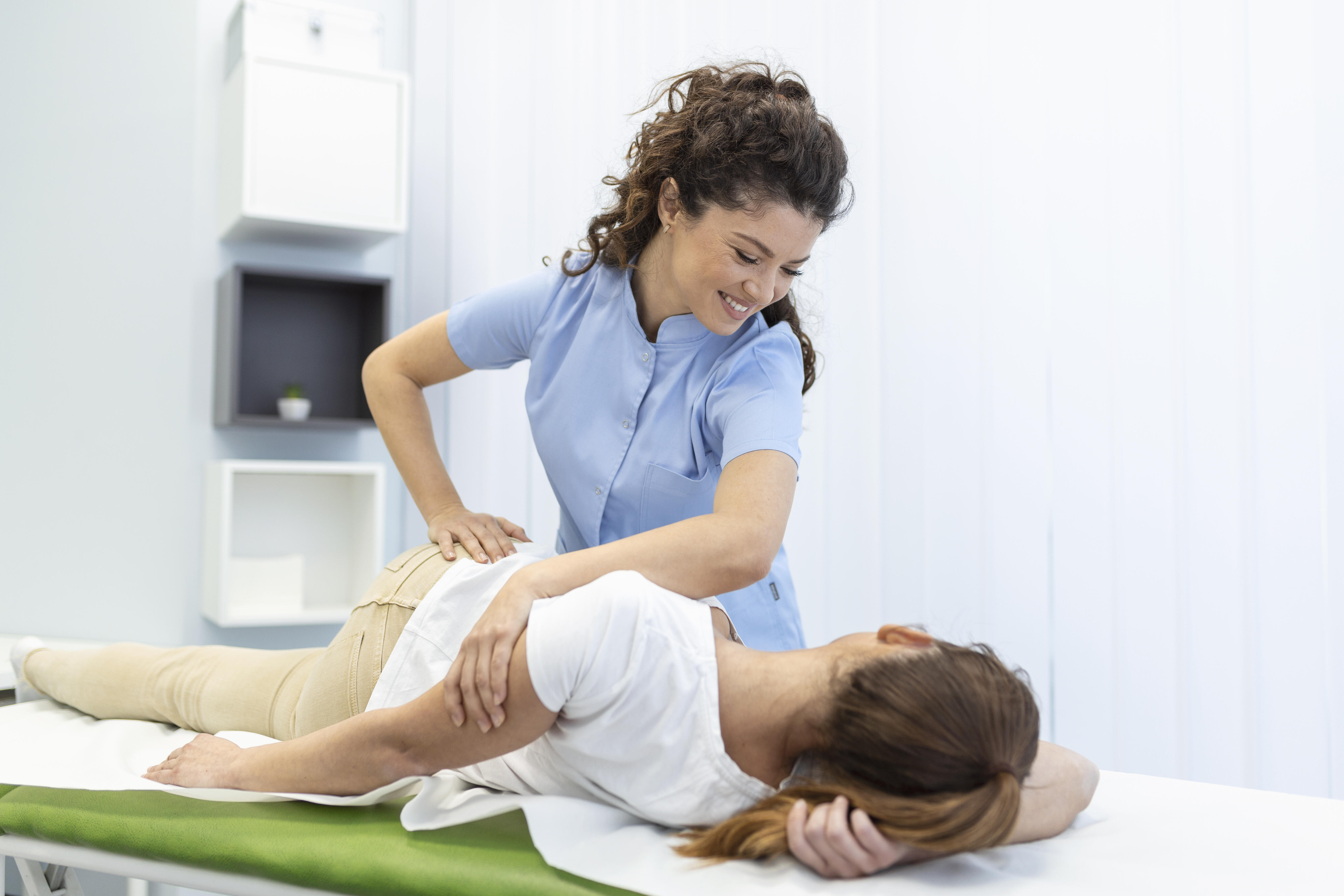
One of the major benefits of physiotherapy is the lasting relief from pain. Often we experience pain and aches in the body, which can be caused by an accident, sports injury, poor posture or growing age. This can further lead to muscle imbalance, nerve compression, joint stiffness or weakened body movements.
Physiotherapy in Papamoa can help reduce pain through specifically crafted exercises and techniques that stimulate the body’s pain-control mechanisms. It releases endorphins, which are the body’s natural painkillers, reducing pain perception and improving mood. Consistent physiotherapy sessions can alleviate pain and restore the body’s natural healing response.
Patients who have undergone surgery or suffered an injury are often advised to rest in bed for a long time. It becomes extremely difficult for them to perform daily tasks as the prolonged inactivity disrupts coordination between joints, muscles and the nervous system. In such cases, where mobility becomes a challenge, physiotherapy sessions can help.
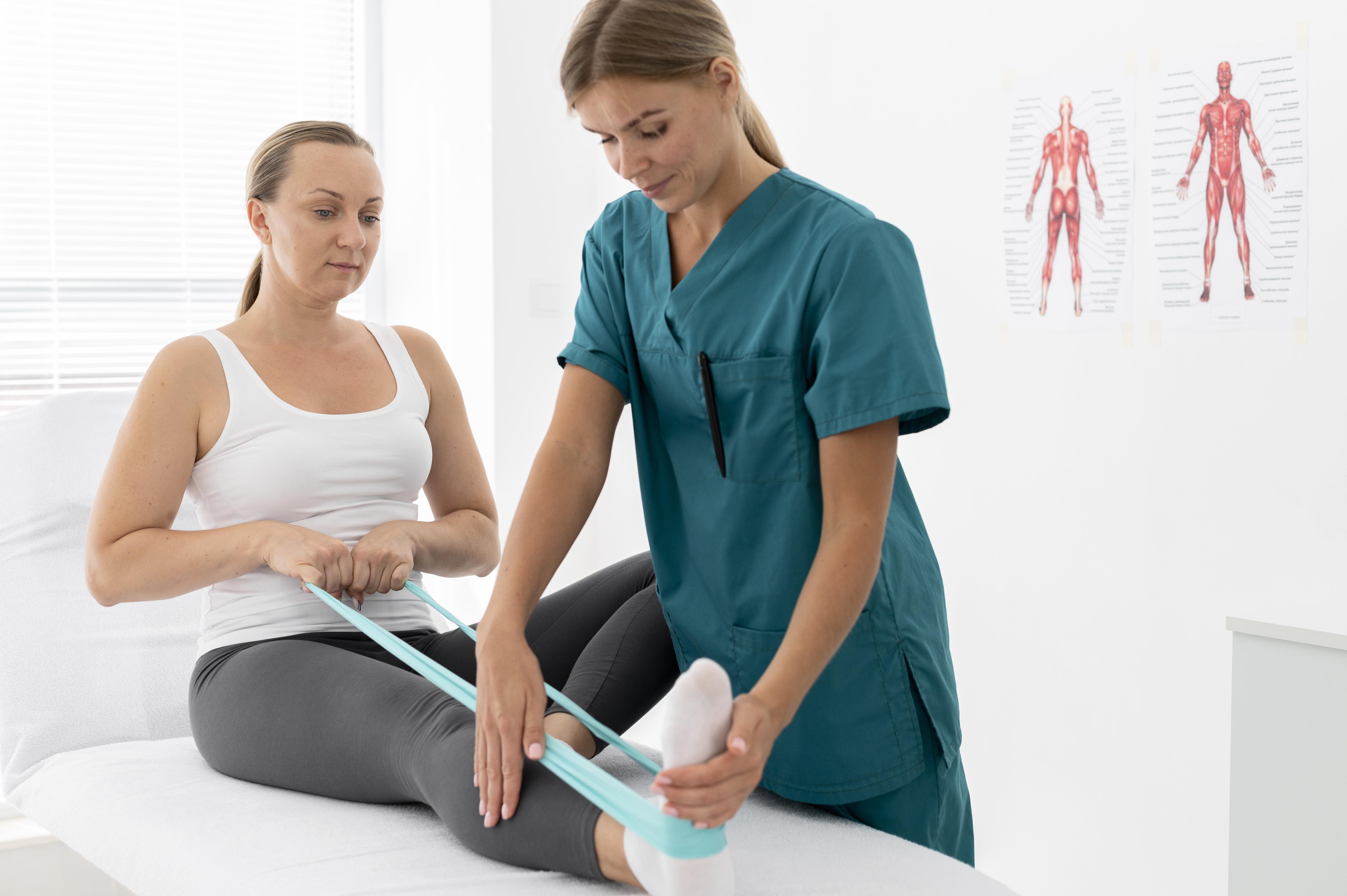
Physiotherapy sessions target these issues and help the body regain a sense of movement and position. With consistent mobility exercises and physical training, physiotherapy can help rebuild the connection between the muscles and brain, enabling more controlled and smoother movements while performing routine activities.
With growing age, people often experience reduced muscle strength, slower movements and joint stiffness. This is usually caused by decreased bone density, hormonal decline, nerve damage and decreased cartilage cushioning, leading to slower body movements and poor flexibility. With the right physiotherapy exercises, one can regain strength and flexibility to some extent.
Physiotherapy sessions in such cases involve exercises that are specifically designed to improve balance, increase muscle strength and maintain mobility. It includes correcting body posture and increasing joint lubrication, which reduces strain on aging joints. Physiotherapy further reduces the risk of falls, fractures and chronic conditions, such as arthritis.
Often, a patient has to undergo surgery when there is a severe injury or accident. Surgery puts significant stress on the body, leading to limited mobility, pain, muscle stiffness and weakness. In such cases, physiotherapy offers safe and stable recovery post-surgery, allowing patient to return to their normal life smoothly.
Based on the type of surgery and the patient’s condition, the physiotherapist will customise the physiotherapy sessions. This usually includes muscle-strengthening exercises, pain-relief movements and mobility training, which altogether lead to speedy recovery and improved physical movement. With guided tissue healing physio, the patient can experience a smoother return to routine activities.
Physiotherapy focuses on addressing and correcting the underlying causes of the injury rather than only treating the symptoms. Our body becomes prone to injuries due to weakened muscles, unstable joints, faulty movements and poor posture. Undergoing physiotherapy in Papamoa will help you restore the strength and flexibility in your muscles and joints, reducing the chances of repeated injury.
Physiotherapy also helps prevent long-term disability by offering specific rehabilitation programs. These programs are designed to gradually increase your stress tolerance, gain strength and deliver optimal movement for your tissues. This proactive approach reduces the chances of injury and long-term disability.
The human body has a natural tendency to repair itself after an illness or injury. When any muscle, joint or ligament is damaged, the body starts its natural healing process, which includes inflammation control, tissue healing and tissue remodelling. Taking physiotherapy sessions allows you to go through these stages correctly, safely and rapidly. Let’s go through these stages in detail.
When the body suffers an injury, the body’s internal protective mechanism, known as inflammation, is triggered. This process commands immune cells and blood flow to rush to the affected area to repair the damaged tissue and fight infection. That is when we experience swelling, redness, pain and restricted movement. When inflammation takes a prolonged time, it can increase pain, delay recovery and lead to further tissue damage.
Physiotherapy plays a crucial role in controlling inflammation through strategic movements. These specifically designed movements and exercises improve blood flow to the affected area and increase the removal of waste from the injured tissues. Physiotherapy techniques, such as ice therapy is used to control swelling, reduce pain and irritation. Specific movements help decrease joint stiffness and muscle tension. This altogether controls inflammation and supports the body for faster recovery.
After the body has cleaned the injured area during the inflammation phase, it now prepares for tissue healing. During the tissue repair stage, new cells, connective tissues, blood vessels and collagen fibres are formed to redevelop the damaged tissue. In this process, the body may feel sharp and shooting pains in the affected areas, which is a sign that sensation is returning to that area.
The physiotherapy healing process, in the tissue repair phase, creates the right environment for speedy recovery. Controlled, gentle movements as guided by the physiotherapist can increase blood circulation and nutrient delivery to the damaged area. The physiotherapist may also use modalities like shockwave and laser to boost blood flow and oxygen supply, and accelerate repair.
Tissue remodelling is the last phase of the healing process, during which the newly developed tissues realign and strengthen. The body recognises the newly formed tissues, and increases the nutrient supply so that the tissues can mature and return to normal movements. This process can take weeks or even months after the injury.
Physiotherapy aids in the tissue remodelling phase through structured and well-planned rehabilitation. With guided physiotherapy, the collagen fibres will regain strength, flexibility and endurance faster. Load-bearing techniques and physical movements will help tissues increase durability and performance, so they can adapt to face real-life demands.
Physiotherapy is one of the most-efficient ways to recover from an injury or surgery. It combines the science of movement, biomechanics, neuroscience and tissue regeneration to manage pain and support recovery. At StepUp Physio, we aim to offer holistic healing treatment based on the patient’s medical condition and diagnosis. Whether you are recovering from a surgery, dealing with a chronic condition or just want to improve your overall health, we will help you alleviate your pain, rebuild your strength, and ultimately, transform your life.
Our Blog
 0212157213
 akshay@stepupphysio.co.nz
 Papamoa Beach